
Ngaphandle Kwentandabuzo Esengqiqweni


Language


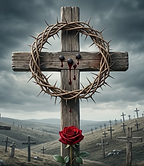


The True Gospel
e


The spiritual path begins with a direct call from Yeshua: “Repent, for the kingdom of heaven is at hand.” This imperative is the doorway to salvation—a foundational, inward shift away from sin and a fallen world, and a redirection of the heart toward the sovereign authority of God.
-
Matthew 4:17 — “From that time Jesus began to preach, and to say, ‘Repent: for the kingdom of heaven is at hand.’”
-
Mark 1:15 — “And saying, ‘The time is fulfilled, and the kingdom of God is at hand: repent ye, and believe the gospel.’”
2. The Doorway: Water Baptism and the Holy Spirit
Following the resurrection and ascension of Yeshua, Peter declared the active steps of covenant entry at Pentecost: turning in repentance, being buried with Messiah in baptism, and receiving divine empowerment through the Spirit.
-
Acts 2:38 — “Then Peter said unto them, ‘Repent, and be baptized every one of you in the name of Jesus Christ for the remission of sins, and ye shall receive the gift of the Holy Ghost.’”
-
John 3:5 — “Jesus answered, ‘Verily, verily, I say unto thee, Except a man be born of water and of the Spirit, he cannot enter into the kingdom of God.’”
3. The Blood: Grafted into the Commonwealth of Israel
By the blood shed on the tree, the dividing wall of hostility was torn down. Nations once alienated from the promises and covenants are brought near and grafted as wild olive branches into the root of Israel.
-
Ephesians 2:12–13 — “That at that time ye were without Christ, being aliens from the commonwealth of Israel, and strangers from the covenants of promise, having no hope, and without God in the world: But now in Yesgua messiah ye who sometimes were far off are made nigh by the blood of Christ.”
-
Romans 11:17 — “And if some of the branches be broken off, and thou, being a wild olive tree, wert graffed in among them, and with them partakest of the root and fatness of the olive tree.”
4. The Commission: Gathering Others into the Harvest
Salvation is not walked in isolation; a grafted branch bears fruit. Believers are commanded to act as fishers of men and ambassadors, working to gather the lost into the Father’s house before the end.
-
Matthew 28:19–20 — “Go ye therefore, and teach all nations, baptizing them in the name of the Father, and of the Son, and of the Holy Ghost: Teaching them to observe all things whatsoever I have commanded you.”
-
Matthew 9:37–38 — “Then saith he unto his disciples, ‘The harvest truly is plenteous, but the labourers are few; Pray ye therefore the Lord of the harvest, that he will send forth labourers into his harvest.’”
-
Luke 14:23 — “And the lord said unto the servant, ‘Go out into the highways and hedges, and compel them to come in, that my house may be filled.’”
5. The Perseverance: Holding Fast Until the End
The culmination of salvation requires endurance through trials, testing, and persecution. The promise of the eternal crown belongs to those who do not turn back.
-
Matthew 24:13 — “But he that shall endure unto the end, the same shall be saved.”
-
Hebrews 10:35–36 — “Cast not away therefore your confidence, which hath great recompence of reward. For ye have need of patience, that, after ye have done the will of God, ye might receive the promise.”
-
Revelation 2:25–26 — “But that which ye have already hold fast till I come. And he that overcometh, and keepeth my works unto the end, to him will I give power over the nations.”
IVangeli Yenyaniso
Akukho ndawo esibhalweni apho uYesu athi igospile ingaYe eza kufela izono zethu.
Wayeshumayela Ntoni UYesu?
Abaninzi baya kothuka xa befumanisa ukuba iBhayibhile ichaza ivangeli ngokwahlukileyo koko bebesoloko bekuxelelwa. Ufundo olucokisekileyo lubonisa ukuba ukwamkela igazi likaKristu njengentlawulo yezono zethu—njengesiseko esibaluleke gqitha—asingombandela ‘weendaba ezilungileyo’ awaza nazo nabapostile ababeqhubeka bezishumayela. Ukongezelela ekufeni ngenxa yezono zethu, uYesu weza emhlabeni njengomthunywa ovela kuYehova uYise:
Iindaba ezimnandi zezokuba uYehova wamisela uYesu ukuba avakalise ukuza kobukumkani bakhe apha emhlabeni.
-
UYOHANE 8:38 Mna ndithetha endikubonileyo kuBawo; nani nenza enikuvileyo kuyihlo.
-
UYOHANE 12:49-50 Ngokuba mna andithethanga ngokwam; owandithumayo, uBawo ngokwakhe, nguye owandiwisela umthetho wokuba ndithini na, nokuba mandithethe ntoni na. 50 Ndiyazi nokwazi ukuba umthetho wakhe lowo bubomi obungunaphakade. Oko ndikuthethayo, ngoko, njengoko uBawo andixeleleyo, mna ndikuthetha.
-
UYOHANE 14:24 Lowo ungandithandiyo akawagcini amazwi am. Yaye ilizwi olivayo asililo elam, koko ngooBawo abandithumileyo.
-
ULUKA 4:43 Wathi ke uYesu kubo, Ndimelwe kukuba ndizishumayele iindaba ezilungileyo zobukumkani bukaYehova
nakweminye imizi, ngokuba ndithunywe oko.
Ngelixa uYeshua wayengoyena mntu ubalulekileyo wakha waphila kulo mhlaba, iBhayibhile ibonisa ngokucacileyo ukuba igospile eyaziswa nguYeshuwa yayingengaye nje kuphela. Funda iingxelo Zakhe, kwaye uzingqinele oku:
-
UMATEYU 9:35 Waye uYesu eyihamba yonke imizi nemizana, efundisa ezindlwini zabo zesikhungu, eshumayela iindaba ezilungileyo zobukumkani, ephilisa izifo zonke nezikhuhlane zonke. 36 Wathi, akuzibona izihlwele, wasikwa yimfesane zizo, ngokuba zibe zilabile, njengezimvu ezingenamalusi.
-
UMARKO 1:14-15 Ke kaloku, emveni kokufakwa kukaYohane entolongweni, weza uYesu kwelaseGalili, eshumayela
iindaba ezilungileyo zobukumkani bukaThixo, esithi, Lizalisekile ixesha, nobukumkani bukaThixo busondele. Guqukani, nikholwe kuzo iindaba ezilungileyo ezi.
43
-
ULUKA 8:1 Kwathi emveni koko, wayihamba uYesu imizi ngemizi, nemizana ngemizana, eshumayela ezishumayela iindaba ezilungileyo zobukumkani bukaThixo.
-
Luke 16:16 Yayingumthetho nabaprofeti kwada kwakuYohane. Ukususela ngoko, ubukumkani bukaThixo buyashunyayelwa, yaye wonke umntu uyangena kubo ngokugonyamela.
-
Matthew 24:14 Ke kulula ukuba lidlule izulu nomhlaba, kunokuba kuwe nalinye isuntswana lomthetho. Zaye ezi ndaba zilungileyo zobukumkani ziya kuvakaliswa kulo elimiweyo liphela, zibe bubungqina kuzo zonke iintlanga; kwandule ke kufike ukuphela.
Isigidimi ‘seendaba ezilungileyo’—ezona ndaba zilungileyo zinokuviwa namhlanje—uBawo awazinikelayo ngoYesu, zaziphathelele ukumiselwa koBukumkani Bakhe emhlabeni. Yintoni ubukumkani?
Ngokusisiseko luhlanga, olunabemi balo bonke, umhlaba, nemithetho yalo, elawulwa ngurhulumente. Ekusetyenzisweni kwebhayibhile, ubukumkani bunokuthetha usapho olusuka kumzali omnye okhule waba luhlanga.
Ubukumkani bunezinto ezine ezisisiseko:
-
ukumkani, umlawuli owongamileyo, okanye ummeli olawulayo;
-
ummandla, kunye nendawo yawo ethile kunye nemida ecacileyo;
-
abantu okanye abemi ngaphakathi kwelo gunya lommandla;
-
kunye nemithetho nohlobo lorhulumente ekuthi ngalo ukuthanda komlawuli kuphunyezwe. Ukuba siyayityeshela nayiphi na kwezi nkalo zibalulekileyo—ukuba siyasityeshela isigidimi esaziswa nguYesu esivela kuYise—siya kuba nokholo olugqwethekileyo, olungayi kuzisa usindiso.
Ngubani Oya Kuba NguKumkani?
Ngokungathandabuzekiyo uKumkani woBukumkani bukaThixo uya kuba nguYeshuwa. Nangona engazange asebenzise naliphi na igunya likarhulumente ngoxa wayesemhlabeni, xa ebuya, uya kuba “nguKumkani wookumkani neNkosi yeenkosi” I kuTimoti 6:15; ISityhilelo 19:16; 17:14).
Nabanye abaprofeti baxela kwangaphambili ngokumkani ozayo, kungekuphela nje wakwaSirayeli noYuda, kodwa kwanehlabathi liphela. UIsaya usixelela oku:
Ngokuba sizalelwe umntwana, sinikwe unyana; nolawulo luya kuba segxalabeni Lakhe. Igama lakhe liya kubizwa ngokuba nguMmangaliso, nguMcebisi, nguThixo oligorha, nguSonini nanini, nguMthetheli woxolo. Kwande ukuthethela oko, kubekho uxolo olungenakuphela etroneni kaDavide, nasebukumkanini bakhe, ukuba bumiswe bumiswe ngokusesikweni nangobulungisa, kususela koko kude kuse ephakadeni. Ubukhwele bukaYehova wemikhosi buya kukwenza oko. ( Isaya 9:6-7 )
Buza Kumiselwa Phi UBukumkani? Ubuxoki obubalaseleyo uSathana aye wabuphembelela uluntu yinkolelo yokuba umphefumlo kabani uya ezulwini emva kokufa. Abantu abaninzi bacinga ukuba ibinzana elithi uBukumkani bukaThixo lisisithetha-ntonye nezulu, kodwa iBhayibhile ifundisa ukuba xa uYeshua ebuya, uBukumkani bukaThixo buya kumiselwa emhlabeni!
Okokuqala, phawula indlela iBhayibhile eyikhaba ngayo ngokupheleleyo ingcamango ‘yokuya ezulwini’ emva kokufa. UPetros uxelela isihlwele ngomhla wePentekoste oku: “Madoda, bazalwana, mandivunyelwe ndithethe kuni ngokuphandle ngomawokhulu uDavide, ukuba wafa wangcwatywa; nengcwaba lakhe likho phakathi kwethu unanamhla.
.. Kuba uDavide, enganyukanga waya emazulwini.” ( IZenzo 2:29, 34 ) Lo “mntu ungokwentliziyo kaThixo” akakho ezulwini, kodwa usengcwabeni!
-
Yohane 3:13 : “Akukho namnye unyukileyo waya emazulwini, ngulowo yedwa wehla ephuma emazulwini, oko kukuthi, uNyana woMntu, lowo usemazulwini.
-
INtshumayeli 9:5, 10 Abangcwele abafileyo beTestamente eNdala kunye neNtsha ngokufanayo balele emangcwabeni abo, belindele uvuko - bengenakho zingqondweni.
-
UYobhi 14:14-15 uchaza ukulindela uvuko ngale ndlela: “Ukuba uthe umfo wafa, wophila na, ndilinde yonke imihla yokubulaleka kwam, kude kufike ukukhululwa kwam. phendula Wena.
-
ISityhilelo 5:10, “Ubenze baba bubukumkani (uhlanga lwasebukhosini) nababingeleli kuye uThixo wethu, yaye baya kulawula phezu komhlaba!”
-
ISityhilelo 11:15 Sathi esesixhenxe isithunywa savuthela ixilongo. Kwabakho izandi ezulwini, zisithi; “Izikumkani zehlabathi zithe zaba zezeNkosi yethu nezoNyana wakhe, yaye uya kulawula ngonaphakade kanaphakade!
-
ISityhilelo 21:21 . Ndabona izulu elitsha, nomhlaba omtsha; kuba elokuqala izulu nowokuqala umhlaba udlule. Kananjalo ulwandle lwalungasekho. Ndaza mna, Yohane, ndawubona umzi ongcwele, iYerusalem Entsha, usihla uphuma emazulwini, uvela kuThixo, ulungisiwe njengomtshakazi ehonjiselwe indoda yakhe. Ndeva izwi elikhulu liphuma emazulwini, lisithi, Yabona, umnquba lo kaThixo unabantu; uya kuhlala nabo emnqubeni, bona babe ngabantu bakhe; zisuse zonke iinyembezi emehlweni abo, kungabi sabakho kufa, kungabi sabakho nasijwili, nakukhala, kungabi sabakho ntlungu, ngokuba izinto zokuqala zigqithile.
...
-
( ISityhilelo 21:1 ) Lowo weyisayo uya kuzidla ilifa zonke izinto, yaye ndiya kuba nguThixo wakhe, yena abe ngunyana wam.” Ngoobani Abalawulwa Nabemi BoBukumkani? emhlabeni, asinguye wonk’ ubani osemhlabeni oya kuba ngabemi bobo Bukumkani.” Wonke umntu uya kuba phantsi koKumkani wookumkani, kodwa asingabo bonke abaya kube bengene kobo Bukumkani bokomoya.
-
UYOHANE 3:3 UYesu wayityhila le nyaniso kuNikodemo. Xa uNikodemo weza kuye ebusuku, wathi kuye uYesu, Inene, inene, ndithi kuwe, Ukuba akathanga umntu azalwe ngokutsha, akanakububona ubukumkani bukaThixo.
-
—1 Korinte 15:50. UPawulos waxelela abaseKorinte ukuba “inyama negazi [abantu abafayo] abanakubudla ilifa ubukumkani bukaThixo; nokonakala akunakukudla ilifa ukungonakali.” Ngoxa sinomzimba wenyama, wenyama negazi, sisenokuba ziindlalifa zoBukumkani, kodwa asinakungena. ngokupheleleyo eBukumkanini, yaye asinakukubona, de sibe ngumoya—sinikwe umzimba ozukileyo obunjwe ngumoya eluvukweni.
Oku kuthetha ukuba, nangona lonke uluntu luya kuba phantsi koBukumkani obuya kulawula uYeshuwa emhlabeni, ngokuqinisekileyo aluyi kuba yinxalenye yabo.
Matthew 25:31-34 Xa ke athe wafika uNyana woMntu esebuqaqawulini bakhe, enazo zonke izithunywa ezingcwele, ngelo xa uya kuhlala phezu kwetrone yobuqaqawuli bakhe. zihlanganiswe phambi kwakhe zonke iintlanga, abahlule abanye kwabanye, njengokuba umalusi ezahlula izimvu ezibhokhweni. athi zona izimvu azimise ngasekunene kwakhe, athi kodwa zona iibhokhwe azimise ngasekhohlo. Uya kuthi ke ukumkani kwabangasekunene kwakhe, Yizani, nina nisikelelweyo nguBawo, nibudle ilifa ubukumkani obalungiselwa nina kwasekusekweni kwehlabathi. Ngoko, uBukumkani bukaThixo buya kulawulwa nguYesu, yaye buya kuzuzwa ngabo baye bazukiswa xa bevuswa kwabafileyo. Iingcwele ezivusiweyo—abemi boBukumkani bukaThixo—ziya kulawula kunye nabo
UYesu phezu kwabantu abaseleyo bomhlaba ( Daniyeli 7:27; II Timoti 2:12; ISityhilelo 2:26-28; 5:9-10; 20:4-6; 22:5 ). Iyintoni iMithetho yoBukumkani?
-
ABagwebi 21:25 . Umthetho sisikhokelo esimele silandelwe ngabantu ukuqinisekisa ubambiswano, isivumelwano kunye noxolo kubudlelwane boluntu kunye nabantu. Ngaphandle komlinganiselo oqondwayo, onyanzeliswa ngumlawuli owongamileyo, wonk’ ubani ebeya kwenza ngokokuthanda kwakhe okanye ngokomnqweno wakhe, yaye akukho nto ilungileyo okanye iyingenelo ebiya kuveliswa. UBukumkani bukaThixo abuhlukanga.
-
I kwabaseKorinte 14:33 UThixo akangomniki wesiphithiphithi. UBukumkani bakhe buya kuba noxolo nocwangco ngenxa yokuba wonke umntu oya kungena kubo uya kube ezinikele ngokuzithandela emthethweni—imithetho kaThixo. UThixo akayi kuba naye nabani na eBukumkanini Bakhe obonisa, ngekhondo lobomi bakhe, ukuba akayi kumthobela.
-
( Mateyu 7:21-23; Hebhere 10:26-31 ). ISityhilelo 12:17 sichaza abangcwele njengabo “bayigcinayo imithetho kaThixo, banobungqina bukaYesu.
Ezi ntetho zimbini-ukuthanda uThixo nokuthanda ummelwane wakho njengoko uzithanda ngako-ziqulathe imithetho emine yokuqala neyokugqibela emithandathu ngokulandelelanayo. Imithetho ichaza ngakumbi indlela yokumthanda uThixo nokuthanda umntu. Siyamthanda uThixo ngokubanzi ngokumbeka kwindawo yokuqala, ngokungasebenzisi izinto zokwenyama ekumnquleni, ngokungalithwali ilize igama Lakhe, nangokuyigcina ingcwele iSabatha yomhla wesixhenxe. Siyamthanda umntu ngokubanzi, ngokubeka abazali bethu, ukungabulali, ukukrexeza, ukungebi, ukungaxoki, nokungarhaleli.
-
UYOHANE 14:15 Ukuba niyandithanda, yigcineni imithetho yam. Lowo unayo imithetho yam, ayigcine, nguye ondithandayo; lowo ke undithandayo, uya kuthandwa nguBawo; nam ndiya kumthanda, ndimbonakalise. Ndize kuye." Ukuba umntu uyandithanda, woligcina ilizwi lam; wothi uBawo amthande, size kuye, sihlale naye. Lowo ungandithandiyo mna, akawagcini amazwi am; nelizwi enilivayo ke. asingabam kodwa ngooBawo abandithumayo.
The Gospel (in Hebrew, the Besorah—"good news") that Yeshua (Jesus) personally preached is summarized in Mark 1:14–15:
"Now after John was put in prison, Yeshua came to Galilee, preaching the gospel of the kingdom of God, and saying, 'The time is fulfilled, and the kingdom of God is at hand. Repent, and believe in the gospel.'"
While modern ears often hear "the gospel" defined exclusively as the mechanics of individual salvation (how to go to heaven when you die), Yeshua’s proclamation was broader, deeper, and grounded in the Hebrew Scriptures: the Gospel of the Kingdom of God (Besorat HaMalkhut).
He announced that the sovereign rule, authority, and covenant reign of the Creator had broken directly into this fallen world through the King Himself.
1. "The Time is Fulfilled" (Prophetic Arrival)
When Yeshua said the time was fulfilled, He was speaking to a nation longing for deliverance. The prophecies of Daniel (the timeline of Daniel 9 and the stone that crushes the kingdoms of the world in Daniel 2) and Isaiah were reaching their climax.
In Luke 4:18–19, He opened the scroll of Isaiah 61 in the Nazareth synagogue to define His mandate:
-
Preaching good tidings to the poor and humble.
-
Healing the brokenhearted.
-
Proclaiming liberty to the captives and the opening of prison to those who are bound.
-
Proclaiming the acceptable year of the Lord (the ultimate Jubilee release from sin and debt).
-
2. "The Kingdom of God is at Hand" (The Core Proclamation)
Yeshua did not preach an abstract philosophy; He preached an active government and reign:
-
Sovereignty over the Kingdom of Darkness: Every time Yeshua cast out a demon, healed incurable diseases, or raised the dead, He was demonstrating that Satan’s usurpation of the earth was being overthrown. "If I cast out demons by the finger of God, surely the kingdom of God has come upon you" (Luke 11:20).
-
The Nature of the King’s Reign: His kingdom was not of this worldly system—it did not advance through political intrigue, violence, or human armies (John 18:36). Instead, it advanced through truth, sacrificial love, humility, and righteousness.
-
Present and Future: The Kingdom is already here in the hearts and walk of those who submit to the King, and it is yet to come in its physical, global fullness when the King returns to establish His reign in Jerusalem (Zechariah 14; Revelation 11:15).
-
3. "Repent" (Teshuvah — A Complete Return)
To enter this Kingdom, the requirement was not a passive intellectual nod, but Teshuvah—a radical turning around:
-
Turning from Self-Rule to God's Rule: Repentance means laying down rebellion, secular autonomy, and false religious pretenses.
-
Internalizing the Commandments: In the Sermon on the Mount (Matthew 5–7), Yeshua explained the constitution of the Kingdom. He made it clear that He did not come to abolish the Law or the Prophets, but to fill them to the full (Matthew 5:17). Kingdom repentance goes beyond external legalism to the motives of the heart—eradicating lust, hatred, pride, and greed.
-
Fruit of Repentance: Just as John the Baptist warned, Yeshua taught that true repentance always bears observable, righteous fruit (Matthew 7:16–21).
-
4. "Believe in the Good News" (Covenant Faith & Allegiance)
In the biblical mindset, "belief" (emunah) is not merely agreeing that God exists; it is active loyalty, trust, and obedience to the King:
-
Trusting the Father’s Provision: Ceasing to worry about food, drink, and clothing like the nations do, but rather "seeking first the kingdom of God and His righteousness, and all these things shall be added to you" (Matthew 6:33).
-
Trusting the Sacrifice of the Son: Yeshua taught that He came "not to be served, but to serve, and to give His life a ransom for many" (Mark 10:45). The Good News is that the King took the curse of our disobedience upon Himself at Passover, shedding His blood to ratify the New Covenant (Matthew 26:28).
-
Victory Over the Grave: Yeshua promised that whoever hears His word and believes Him who sent Him has passed from death into life (John 5:24), anchored by His own resurrection as the firstfruits from the dead.
-
5. Summary: What Entering the Gospel Requires
In Yeshua's own words, walking in the Gospel means:
-
Denying Self: "If anyone desires to come after Me, let him deny himself, and take up his cross daily, and follow Me" (Luke 9:23).
-
Obeying the Father's Will: "Not everyone who says to Me, 'Lord, Lord,' shall enter the kingdom of heaven, but he who does the will of My Father in heaven" (Matthew 7:21).
-
Loving God and Neighbor: Loving the Lord with all your heart, soul, mind, and strength, and loving your neighbor as yourself (Mark 12:29–31).
-
Proclaiming the Kingdom to All Nations: "And this gospel of the kingdom will be preached in all the world as a witness to all the nations, and then the end will come" (Matthew 24:14).
In short, the Gospel Yeshua taught is the royal proclamation that God’s reign has arrived in His Messiah, calling every human heart to turn away from sin, enter covenant peace with the Father through the Son, and live as an obedient citizen of His eternal Kingdom.
In ancient kingdoms, when a king ascended his throne, he issued a royal charter or legal code declaring how his realm would be governed and what was expected of his subjects. In Matthew 5–7, Yeshua goes up on a mountain—echoing Moses ascending Mount Sinai—sits down in the posture of a reigning king and teacher, and delivers the manifesto of His newly inaugurated reign.
The Sermon on the Mount is not an impractical, idealistic philosophy, nor is it a checklist to earn salvation. It is the living, practical constitution of the Kingdom of God, dictating the character, inner motives, ethics, and daily allegiance required of every citizen walking under Messiah's rule.
1. The Preamble: The Citizen’s Internal Disposition (The Beatitudes)
Any national constitution opens with foundational values. Earthly empires prize military conquest, political clout, wealth, and self-assertion. Yeshua begins His charter (Matthew 5:3–12) by turning the world's value system completely upside down:
-
Poor in Spirit: Recognizing total spiritual bankruptcy and utter dependence on the King.
-
Mourning: Grieving over personal sin and the brokenness of a fallen world.
-
Meekness: Possessing harnessed strength, patience, and humility rather than violent ambition.
-
Hunger for Righteousness: Longing for God’s righteous order to prevail more than craving food or physical comfort.
-
Mercy and Purity of Heart: Extending forgiveness and maintaining undivided, uncorrupted loyalty to God.
-
Peacemaking: Actively reconciling estranged parties, reflecting the character of the Father.
These are not separate groups of people receiving different rewards; together, they describe the temperament of the citizen who has laid down self-rule.
2. The Citizen’s Public Office: Salt and Light
Citizens of the Kingdom do not live in isolationist enclaves; they are embedded directly into a decaying and dark culture (Matthew 5:13–16):
-
Salt of the Earth: In antiquity, salt was a preservative that arrested rot and decay. Kingdom citizens preserve truth, hold back moral corruption, and bring spiritual flavor to the societies they inhabit.
-
Light of the World: Light exposes danger and guides the traveler. Believers do not hide their allegiance to the King; their visible, tangible good works shine so that observers give glory directly to the Father.
-
3. The Legal Standard: Fulfilling and Internalizing the Law
In Matthew 5:17–20, Yeshua establishes the legal framework of His government, dispelling any thought of lawlessness or anarchy:
"Do not think that I came to destroy the Law or the Prophets. I did not come to destroy but to fulfill. For assuredly, I say to you, till heaven and earth pass away, one jot or one tittle will by no means pass from the law till all is fulfilled."
To "fulfill" (pleroo) in Hebrew thought means to bring the law to its fullest intended meaning and expression, not to abolish it. Yeshua contrasts the superficial, external legalism of the religious establishment with the King’s internal standard. Through a series of six antitheses ("You have heard that it was said... but I say to you"), He shows that the King's law governs the thoughts and desires before an act is ever committed:
-
Murder vs. Contempt: It is not enough to refrain from physical murder; harboring bitter anger, resentment, or hurling venomous insults (Raca) makes one liable to judgment (5:21–26).
-
Adultery vs. Lust: Purity is not just refraining from physical unfaithfulness; looking with covetous intent is adultery in the heart (5:27–30).
-
Oaths vs. Total Integrity: Citizens do not need elaborate religious oaths or legal loopholes to verify their truthfulness; their word is their bond—their "Yes" means yes, and their "No" means no (5:33–37).
-
Retaliation vs. Sacrificial Generosity: Rather than demanding immediate vengeance ("an eye for an eye"), citizens yield personal rights, go the extra mile, and overcome evil with good (5:38–42).
-
Love for Enemies: The ultimate test of Kingdom citizenship is reflecting the Father’s indiscriminate benevolence—praying for persecutors and blessing those who curse you (5:43–48).
-
4. Public Duty & Worship: Sincerity Over Religious Theater
In Matthew 6, Yeshua regulates the three primary pillars of personal religious duty: giving, prayer, and fasting. In earthly systems, piety is often weaponized for social prestige. In the Kingdom, performance art is condemned:
-
Secret Giving (Alms): Giving to the needy without sounding a trumpet or announcing tax write-offs; the left hand does not know what the right is doing.
-
Secret Prayer: Communing behind closed doors with the Father, rather than reciting vain, repetitive words to impress bystanders. He provides the Model Prayer (the Lord's Prayer), teaching citizens to align their desires with the Father’s name, His kingdom coming, and His will being done on earth.
-
Secret Fasting: Anointing the head and washing the face so that the physical affliction of fasting is unseen by men, directed only to the Father who sees in secret.
-
5. The Economic System: Trust, Not Striving
Every kingdom has an economy. The economy of the world is driven by fear, scarcity, hoarding, and status anxiety. The Kingdom of God operates on radical faith in divine provision (Matthew 6:19–34):
-
Currency: True wealth is not stored in physical barns, bank vaults, or commodities where moth and rust destroy; it is stored in heaven through generous, righteous living.
-
Singular Focus: A servant cannot serve two masters. You cannot pledge allegiance to the Creator while serving Mammon (wealth/money).
-
Freedom from Worry: Citizens do not sweat and panic over daily bread or clothing like the pagans do. The King feeds the birds of the air and clothes the lilies of the field. The citizen's sole operational directive is:
"Seek first the kingdom of God and His righteousness, and all these things shall be added to you." (Matthew 6:33)
6. Relational Protocol: Righteous Discernment Without Self-Righteous Condemnation
In Matthew 7:1–12, Yeshua sets the rules for how citizens treat one another:
-
The Spec and the Log: Before attempting to perform delicate eye surgery on a brother’s fault, remove the massive log of blind self-righteousness from your own eye.
-
Holy Discernment: While judgment is warned against, discernment is commanded—do not cast pearls before swine or give what is sacred to dogs.
-
Persistent Petitions: Keep asking, seeking, and knocking, trusting that the Father gives good gifts to His children.
-
The Royal Rule (The Golden Rule): "Whatever you want men to do to you, do also to them, for this is the Law and the Prophets." (Matthew 7:12)
-
7. The Ratification: Hearing vs. Doing
A constitution is useless if it is merely read and debated rather than obeyed. Yeshua concludes His address with four sobering warnings demanding personal allegiance:
-
Two Gates: The wide, crowded gate leading to destruction versus the narrow, difficult gate leading to life (7:13–14).
-
Two Trees: True prophets and false prophets, known not by their charisma or titles, but by their actual fruit (7:15–20).
-
Two Confessions: Warning that crying "Lord, Lord" or performing signs in His name is worthless if one practices lawlessness (anomia). Only those who do the will of the Father will enter (7:21–23).
-
Two Foundations: The sermon ends with a dramatic builder’s test. The person who hears these words and builds on them is a wise man who digs deep and anchors his house on the solid bedrock. When the storms, floods, and winds beat against that life, it stands firm. The person who hears and does not obey builds on shifting sand—and great is the fall of it (7:24–27).
-
When Yeshua concluded, the crowds were astonished. He did not quote human traditions or cite precedent like the scribes; He spoke as the Lawgiver and King Himself, laying down the permanent, unalterable rule of life for all who call Him Lord.