Language


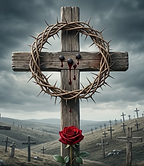


Claiming he is God
Search Results
Search this site
265 results found with an empty search
- Passover | Answers 4 Saints
Is Easter pagan? The great Easter fraud Passover Passover (Pesach) is one of the most God mandated Jewish holidays, with several core observances explicitly required by God in the Torah (primarily in Exodus 12–13, Leviticus 23, Numbers 9, and Deuteronomy 16). These are considered divine commandments (mitzvot) rather than later rabbinic customs. Here are the main ones that are directly commanded in the Torah: Remove all leaven (chametz) from your home — On the first day (and for the full seven days), you must eliminate yeast/leavened products entirely. Eating leavened bread during the seven days is forbidden, with severe penalties mentioned (e.g., being "cut off" from the people). (Exodus 12:15–20; 13:7) Eat unleavened bread (matzah) — For seven days, eat only matzah. Specifically, there is a positive commandment to eat matzah on the first night of Passover. (Exodus 12:15, 18, 20; Deuteronomy 16:3, 8) Observe the festival for seven days — The first and seventh days (in the Diaspora, first, second, seventh, and eighth) are holy convocations with no work allowed (except food preparation). (Exodus 12:16; Leviticus 23:6–8) Tell the story of the Exodus — You must recount the events of the deliverance from Egypt to your children on that night. This is the basis for the Haggadah's storytelling. (Exodus 12:26–27; 13:8, 14; Deuteronomy 6:20–25) Eat bitter herbs (maror) — In the original biblical command, this was part of the Passover meal with the sacrificial lamb. (Exodus 12:8) The Passover sacrifice (Korban Pesach) — In Temple times, a lamb or goat was sacrificed on the 14th of Nisan at twilight, eaten roasted that night with matzah and bitter herbs, with strict rules (no bones broken, not taken outside the house, etc.). This is central in Exodus 12 but cannot be performed today without the Temple. (Exodus 12:3–11, 21–27; Numbers 9:1–14) Other elements like the four cups of wine, the Seder plate's full setup (karpas, charoset, etc.), reclining, or specific Haggadah readings are important Jewish customs (minhagim) developed over centuries in rabbinic tradition to fulfill or enhance the biblical commands—but they are not explicitly required in the Torah itself. The holiday commemorates the Exodus from Egypt, the "passing over" of Israelite homes during the tenth plague, and freedom from slavery. Observance is an eternal statute commanded by God (Exodus 12:14, 17, 24). In modern practice (without the Temple), the focus is on matzah, maror, removing chametz, the Seder retelling, and resting on the holy days. Many Jews today emphasize these biblical requirements while incorporating rich traditional customs. Must watch Monti Judah Passover The Passover Seder Passover (Pesach) is one of the most biblically mandated Jewish holidays, with several core observances explicitly required by God in the Torah (primarily in Exodus 12–13, Leviticus 23, Numbers 9, and Deuteronomy 16). These are considered divine commandments (mitzvot) rather than later rabbinic customs. Here are the main ones that are directly commanded in the Torah: 1. Remove all leaven (chametz) from your home —On the first day (and for the full seven days), you must eliminate yeast/leavened products entirely. Eating leavened bread during the seven days is forbidden, with severe penalties mentioned (e.g., being "cut off" from the people). (Exodus 12:15–20; 13:7) 2.Eat unleavened bread (matzah) — For seven days, eat only matzah. Specifically, there is a positive commandment to eat matzah on the first night of Passover. (Exodus 12:15, 18, 20; Deuteronomy 16:3, 8) 3.Observe the festival for seven days — The first and seventh days (in the Diaspora, first, second, seventh, and eighth) are holy convocations with no work allowed (except food preparation). (Exodus 12:16; Leviticus 23:6–8) 4.Tell the story of the Exodus — You must recount the events of the deliverance from Egypt to your children on that night. This is the basis for the Haggadah's storytelling. (Exodus 12:26–27; 13:8, 14; Deuteronomy 6:20–25) 5. Eat bitter herbs (maror) — In the original biblical command, this was part of the Passover meal with the sacrificial lamb. (Exodus 12:8) 6.The Passover sacrifice (Korban Pesach) — In Temple times, a lamb or goat was sacrificed on the 14th of Nisan at twilight, eaten roasted that night with matzah and bitter herbs, with strict rules (no bones broken, not taken outside the house, etc.). This is central in Exodus 12 but cannot be performed today without the Temple. (Exodus 12:3–11, 21–27; Numbers 9:1–14) Other elements like the four cups of wine, the Seder plate's full setup (karpas, charoset, etc.), reclining, or specific Haggadah readings are important Jewish customs (minhagim) developed over centuries in rabbinic tradition to fulfill or enhance the biblical commands —but they are not explicitly required in the Torah itself. The holiday commemorates the Exodus from Egypt, the "passing over" of Israelite homes during the tenth plague, and freedom from slavery. Observance is an eternal statute commanded by God (Exodus 12:14, 17, 24). In modern practice (without the Temple), the focus is on matzah, maror, removing chametz, the Seder retelling, and resting on the holy days. Many Jews today emphasize these biblical requirements while incorporating rich traditional customs. סֵדֶר, meaning "order" in Hebrew) is the central ritual of Passover (Pesach). It's a festive, interactive family meal held on the first night (or first two nights outside Israel) of the holiday. The purpose is to fulfill the biblical commandment to tell the story of the Exodus from Egypt to your children and household (Exodus 13:8), reliving the journey from slavery to freedom as if we ourselves were liberated. The Seder follows a structured order laid out in the Haggadah ( the special book used for the evening), which includes prayers, blessings, songs, symbolic foods, discussions, and the retelling of the Exodus story. It typically lasts 2–4 hours (or longer in some homes), blending serious reflection, joy, food, wine, and family participation. Key Elements on the Table Before diving into the steps, here's what you usually see: Seder plate (with symbolic items): Maror (bitter herbs, like horseradish) → bitterness of slavery Chazeret (another bitter vegetable, often romaine lettuce) Zeroa (shank bone or roasted chicken neck) → Passover sacrifice Beitzah (roasted egg) → mourning for the Temple / new life Karpas (green vegetable, like parsley or celery) → spring/renewal Charoset (sweet mixture of apples, nuts, wine) → mortar used by slaves Matzah (three or more unleavened breads, often in a cover) Salt water (for dipping karpas, symbolizing tears of slavery) Four cups of wine (or grape juice) → represent four expressions of redemption Exodus 21 Then Moses called all the elders of Israel and said to them, “Go and select lambs for yourselves according to your clans, and kill the Passover lamb. 22 Take a bunch of hyssop and dip it in the blood that is in the basin , and touch the lintel and the two doorposts with the blood that is in the basin. None of you shall go out of the door of his house until the morning. 23 For the Lord will pass through to strike the Egyptians, and when he sees the blood on the lintel and on the two doorposts, the Lord will pass over the door and will not allow the destroyer to enter your houses to strike you. 24 You shall observe this rite as a statute for you and for your sons forever. 25 And when you come to the land that the Lord will give you, as he has promised, you shall keep this service. 26 And when your children say to you, ‘What do you mean by this service?’ 27 you shall say, ‘It is the sacrifice of the Lord’s Passover, for he passed over the houses of the people of Israel in Egypt, when he struck the Egyptians but spared our houses.’” And the people bowed their heads and worshiped. 28 Then the people of Israel went and did so; as the Lord had commanded Moses and Aaron, so they did. The Tenth Plague: Death of the Firstborn 29 At midnight the Lord struck down all the firstborn in the land of Egypt, from the firstborn of Pharaoh who sat on his throne to the firstborn of the captive who was in the dungeon, and all the firstborn of the livestock. 30 And Pharaoh rose up in the night, he and all his servants and all the Egyptians. And there was a great cry in Egypt, for there was not a house where someone was not dead. 31 Then he summoned Moses and Aaron by night and said, “Up, go out from among my people, both you and the people of Israel; and go, serve the Lord, as you have said. 32 Take your flocks and your herds, as you have said, and be gone, and bless me also!” The Exodus 33 The Egyptians were urgent with the people to send them out of the land in haste. For they said, “We shall all be dead.” 34 So the people took their dough before it was leavened, their kneading bowls being bound up in their cloaks on their shoulders. 35 The people of Israel had also done as Moses told them, for they had asked the Egyptians for silver and gold jewelry and for clothing. 36 And the Lord had given the people favor in the sight of the Egyptians, so that they let them have what they asked. Thus they plundered the Egyptians. 37 And the people of Israel journeyed from Rameses to Succoth, about six hundred thousand men on foot, besides women and children. 38 A mixed multitude also went up with them, and very much livestock, both flocks and herds. 39 And they baked unleavened cakes of the dough that they had brought out of Egypt, for it was not leavened, because they were thrust out of Egypt and could not wait, nor had they prepared any provisions for themselves. 40 The time that the people of Israel lived in Egypt was 430 years. 41 At the end of 430 years, on that very day, all the hosts of the Lord went out from the land of Egypt. 42 It was a night of watching by the Lord, to bring them out of the land of Egypt; so this same night is a night of watching kept to the Lord by all the people of Israel throughout their generations. Institution of the Passover 43 And the Lord said to Moses and Aaron, “This is the statute of the Passover: no foreigner shall eat of it, 44 but every slave b that is bought for money may eat of it after you have circumcised him. 45 No foreigner or hired worker may eat of it. 46 It shall be eaten in one house; you shall not take any of the flesh outside the house, and you shall not break any of its bones. 47 All the congregation of Israel shall keep it. 48 If a stranger shall sojourn with you and would keep the Passover to the Lord, let all his males be circumcised. Then he may come near and keep it; he shall be as a native of the land. But no uncircumcised person shall eat of it. 49 There shall be one law for the native and for the stranger who sojourns among you.” 50 All the people of Israel did just as the Lord commanded Moses and Aaron. 51 And on that very day the Lord brought the people of Israel out of the land of Egypt by their hosts.
- The Fruit of the Spirit | Answers 4 Saints
The nine fruits of the Spirit in order, from love to self-control, and why "against such things there is no law" does not mean the law is gone. The fruit of the Spirit But the fruit of the Spirit is love, joy, peace, forbearance, kindness, goodness, faithfulness, 23 gentleness, es, and self-control. Against such things, there is no law. The passage you quoted from Galatians 5:22-23 shows the harvest of a life governed by the Holy Spirit. To see how these fruits mature in a believer's life, we can arrange them in a deliberate, progressive order—moving from our inner relationship with the Father, to how we treat our neighbors, and finally to our internal guard rails. Against these things, there is no law because they are the literal fulfillment of the righteous requirements of God's Torah. 🍇 The Fruit of the Spirit in Progressive Order 1.Love (Agape): The Foundation of Everything. The primary fruit from which all others grow. Scripture defines this love very clearly: "This is love for God: to keep his commands" (1 John 5:3). It is a sacrificial commitment to do what is right by God and others, regardless of feelings. 2.Joy:The Vertical Reality. A deep-seated gladness rooted in your identity as a child of God, completely independent of your physical circumstances. It is the immediate result of knowing your sins are forgiven and that your name is written in Heaven. 3.Peace:The Quiet Rest. The internal tranquility that comes from being aligned with the Father. As Romans 8:6 states, "the mind governed by the Spirit is life and peace." It is the assurance that the Master is in total control. 4.Forbearance (Patience):The Horizontal Anchor . The capacity to endure hardship, delay, or provocation without resentment or retailiation. It mirrors the Father's long-suffering nature toward us when we stumble. 5.Kindness:The Outward Expression. Patience in action. It is the sweet, approachable disposition that moves you to look out for the needs of your brothers and sisters, speaking words that build up rather than tear down. 6.Goodness:The Moral Compass. Active virtue and uprightness. Goodness is the physical execution of God’s commandments in daily life—doing what is right and clean in a world that loves dirt and compromise. 7.Faithfulness:The Covenant Grip. Reliability, loyalty, and steadfast adherence to the truth. A faithful person keeps their word to their neighbor and stays fiercely loyal to the commands of Yehovah, even when it costs them financially or socially. 8.Gentleness:The Controlled Strength. Power under submission. It is the opposite of pride, arrogance, and a demanding spirit. It allows you to correct a straying brother or answer a harsh critic with humility instead of matching their anger. 9.Self-Control:The Final Guard Rail. The ability to master your own fleshly impulses, appetites, and temper. It is the physical mechanism by which you "put to death the misdeeds of the body" (Romans 8:13), keeping yourself firmly on the narrow path. ⚖️ Why "Against Such Things There Is No Law" People often misunderstand verse 23, thinking it means the Law has been abolished. In reality, it means the exact opposite: The Law exists to restrain, condemn, and punish evil. There is no law on God's books—or man's books—that penalizes a person for being too loving, too joyful, too faithful, or too self-controlled. When the Holy Spirit produces this fruit in your life, you are naturally fulfilling the very heart of the Torah. The Law cannot condemn a branch that is bursting with the right fruit. Dear children, do not let anyone lead you astray. The one who does what is right is righteous, just as he is righteous. 8 The one who does what is sinful is of the devil because the devil has been sinning from the beginning. The reason the Son of God appeared was to destroy the devil’s work. 9 No one who is born of God will continue to sin, because God’s seed remains in them; they cannot go on sinning, because they have been born of God. 10 This is how we know who the children of God are and who the children of the devil are: Anyone who does not do what is right is not God’s child, nor is anyone who does not love their brother and sister. 1John3 1 Everyone who believes that Yeshua is the Christ is born of God, and everyone who loves the Father also loves the one born of Him. 2 By this we know that we love the children of God: when we love God and keep His commandments.…1 John 5 Life Through the Spirit 8 Therefore, there is now no condemnation for those who are in Christ Jesus, 2 because through Christ Jesus the law of the Spirit who gives life has set you[ a ] free from the law of sin and death . 3 For what the law was powerless to do because it was weakened by the flesh,[b ] God did by sending his own Son in the likeness of sinful flesh to be a sin offering.[c ] And so he condemned sin in the flesh, 4 in order that the righteous requirement of the law might be fully met in us, who do not live according to the flesh but according to the Spirit. 5 Those who live according to the flesh have their minds set on what the flesh desires, but those who live in accordance with the Spirit have their minds set on what the Spirit desires. 6 The mind governed by the flesh is death, but the mind governed by the Spirit is life and peace. 7 The mind governed by the flesh is hostile to God; it does not submit to God’s law, nor can it do so. 8 Those who are in the realm of the flesh cannot please God. 9 You, however, are not in the realm of the flesh but are in the realm of the Spirit, if indeed the Spirit of God lives in you. And if anyone does not have the Spirit of Christ, they do not belong to Christ. 10 But if Christ is in you, then even though your body is subject to death because of sin, the Spirit gives life[d ] because of righteousness. 11 And if the Spirit of him who raised Jesus from the dead is living in you, he who raised Christ from the dead will also give life to your mortal bodies because of[e ] his Spirit who lives in you. 12 Therefore, brothers and sisters, we have an obligation—but it is not to the flesh, to live according to it. 13 For if you live according to the flesh, you will die; but if by the Spirit you put to death the misdeeds of the body, you will live. 14 For those who are led by the Spirit of God are the children of God. 15 The Spirit you received does not make you slaves, so that you live in fear again; rather, the Spirit you received brought about your adoption to sonship.[f ] And by him we cry, “Abba,[g ] Father.” 16 The Spirit himself testifies with our spirit that we are God’s children. 17 Now if we are children, then we are heirs—heirs of God and co-heirs with Christ, if indeed we share in his sufferings in order that we may also share in his glory.
- First 5 books | Answers 4 Saints
Home First 5 books The first 5 books of the Bible God calls His Torah, God's Book of Love His Instructions for those who Love and obey Him The first 5 books of the Bible God calls His Torah, God's Book of Love His Instructions for those who Love and obey Him The morning mist was still clinging to the coastal salt grass when Malachi and Caleb walked down to the water's edge at Port Aransas. The surf was rolling in with a steady, hypnotic rhythm—a clean, ancient sound that always seemed to wash away the noise of the modern highway. They were setting up for a day of surf fishing, targeting the pompano running along the first sandbar. Caleb was carefully unrolling a custom-tied pompano rig, checking the spacing of the brightly colored floats and hooks. "Grandfather," Caleb said, looking over at the older man who was checking the drag on a large spinning reel. "A guy at the tackle shop yesterday saw me reading my Bible and said, 'Man, don't waste your time with those first five books. That’s just the old Law. It’s full of cold rules and heavy burdens that God used to punish people before He showed grace.' Why do people talk about that part of the Bible like it’s a prison sentence?" Malachi stopped his hands, his eyes carrying a deep, patient warmth as he looked at his grandson. He reached down into the sand, picked up a beautiful, intricate seashell, and handed it to the boy. "Look at the design on that shell, Caleb. Is that geometry a restriction, or is it the very thing that protects the life inside it?" Caleb looked at the perfect spiral. "It's a shield, Grandfather. It's how it survives the rough surf." "Exactly," Malachi said, sitting down on the tailgate of the truck. "And that is exactly what the first five books of the Bible are. The world calls them the 'Old Law' with a sneer, but our Father calls them His Torah. In the Hebrew language, Torah doesn't mean a cold legal code handed down by a distant judge. It means instruction, teaching, and direction. It is the Creator’s ultimate Book of Love." The Manual of the Designer Malachi reached into the cab of the truck and pulled out his worn, leather-bound scripture, turning to the opening pages. "Think about it this way, son. If you bought a beautiful, precision-engineered boat engine, the designer wouldn't just throw the parts at you. He would include a manual. He’d tell you exactly what kind of fuel to use, how to clean the filters, and how to operate it safely so it doesn't tear itself apart. Is that manual a burden?" "No," Caleb said, smiling. "It keeps you from ruining the engine." "That’s right," Malachi said, tapping the pages of Genesis, Exodus, Leviticus, Numbers, and Deuteronomy. "The Torah is the Manufacturer's Manual for the human soul. The Creator made us out of the red clay of the earth. He knows exactly what makes us break, and He knows exactly what makes us thrive. When He tells us to guard the Seventh-day Sabbath, He isn't putting us in a cage—He’s giving us a sanctuary of rest because He loves our bodies and our spirits. When He tells us to use honest weights, to care for the widow, and to keep away from things that defile us, He is showing us how to live a clean, undamaged life. It’s His love in written form, protecting us from the rough surf of a broken world." The Proof of Love Malachi turned the pages forward to Deuteronomy, tracing his thumb over a passage he had highlighted decades ago. "Mainstream religion loves to separate love from obedience, Caleb. They think love is just a warm, fuzzy feeling you get while singing songs in a stadium-sized building. But look at how the Father connects the two in Deuteronomy 6:5-6:" “You shall love Yehovah your God with all your heart, with all your soul, and with all your strength. And these words which I command you today shall be in your heart.” "And Yeshua said the exact same thing in Galilee," Malachi continued, his voice ringing out over the sound of the crashing waves. "If you love Me, keep My commandments." "The Torah was never a checklist to 'earn' salvation—that’s a human misunderstanding that trips up almost everyone. Salvation has always been a free gift of grace, from the blood of the lamb on the doors in Egypt straight to the Lamb on the stake. The Torah is how the redeemed household lives after they’ve been rescued. It’s for those who already love Him. It’s our way of saying, 'Father, I love You so much that I want to walk exactly the way You designed me to walk.'" Walking in the Instructions The sun had finally broken through the coastal cloud cover, turning the gray water into a vibrant, shimmering blue. Caleb looked at the pompano rig in his hands, then out at the sea. The heavy, legalistic image of the "Old Law" he had heard about at the tackle shop completely evaporated, replaced by the beautiful reality of a Father who cared enough to write down a blueprint for His children. The Torah wasn't a weight to drag them down; it was the very track that allowed the train to run free. "Let’s cast these lines out, Grandfather," Caleb said, his chest filling with a deep, clean peace as he looked at the old man. "I want to learn how to fish, and I want to keep learning how to walk in His instructions." Malachi clapped a strong hand on the boy's shoulder, a fierce, joyful pride in his eyes. "That’s it, son. Drop the human traditions, ignore the noisy highway, and just stay anchored in the Book of Love. Let's see what the Father has running in the surf today."
- Passover Rehearsal | Answers 4 Saints
Passover Rehearsal Home Preparation and practice for the Passover feast observance. Keeping Passover biblically bridges the historic shadow of Exodus with its ultimate fulfillment in Yeshua, the Passover Lamb ("For indeed Christ, our Passover, was sacrificed for us" — 1 Corinthians 5:7). Observing Passover with reverence, historical grounding, and Messianic faith centers on specific timing, spiritual preparation, and the service itself. 1. Timing and Context The Biblical Date: Passover falls on the 14th day of the first biblical month (Nisan/Abib), observed at twilight (Leviticus 23:5). The Feast of Unleavened Bread: Passover immediately transitions at sunset into the seven-day Feast of Unleavened Bread (Nisan 15–21), where the first and seventh days are High Sabbaths (holy convocations ) set apart from customary work. 2. Spiritual & Physical Preparation (Cleansing the Home) Biblically, Passover is inseparable from the removal of leaven (chametz ): Removing Physical Leaven: Before the Passover meal begins, search and clear yeast, baking powder, and leavened breads or pastries from the home (Exodus 12:15). The Spiritual Reality : In Scripture, leaven often represents hypocrisy, sin, malice, and false doctrine. Paul writes in 1 Corinthians 5:7–8: "Purge out the old leaven, that you may be a new lump, since you truly are unleavened... Therefore let us keep the feast, not with old leaven, nor with the leaven of malice and wickedness, but with the unleavened bread of sincerity and truth." Self-Examination : Use the days leading up to Passover for repentance, prayer, and reconciling with brethren so you come to the table with a clean heart (1 Corinthians 11:27–29). Whether using a traditional Messianic Haggadah or keeping a simpler biblical memorial, the service generally centers on four actions: 1. Foot Washing (Humility & Servant Leadership) Many believers follow Yeshua’s example during His final Passover meal (John 13:1–17), where He washed the disciples' feet, commanding them to walk in mutual humility, forgiveness, and servant love. 2. Telling the Story ( The Maggid / Haggadah ) Exodus 12:26–27 and 13:8 command: "And you shall tell your son in that day, saying, 'This is being done because of what the Lord did for me when I came out of Egypt.'" Retell the Exodus: the bondage, the ten plagues, the blood on the lintels, and the deliverance across the Red Sea. Reconnect it directly to Yeshua's death and resurrection: how His blood shields us from the judgment of death. 3. Partaking of the Elements (The Lord’s Supper) The Bread: Break the unleavened bread, give thanks, and eat together in remembrance of His broken body. The Cup: Give thanks for the fruit of the vine and drink together in solemn remembrance of the blood of the New Covenant. 4. Praise and Hymns After Yeshua and His disciples had eaten the Passover, Scripture notes: "And when they had sung a hymn, they went out to the Mount of Olives" (Matthew 26:30). Conclude the evening by singing the Hallel (Psalms 113–118), which are songs of praise, deliverance, and eternal thanksgiving. A Heart of Reverence Passover is not a cold legalistic ritual, nor is it merely a nostalgic dinner. It is an annual renewal of covenant loyalty to the Creator and Redeemer. When observed in truth and humility, it anchors believers in the realization of what redemption cost: the spotless Lamb who gave His life so death would pass over us. 1. The Ceremonial Elements (The Seder Plate) Before the main meal begins, these required symbolic foods are consumed in an exact, liturgical order: Matzah (Unleavened Bread): Three ceremonial sheets are stacked on the table, representing the haste of the departure from Egypt and the unleavened posture of humility. Maror (Bitter Herbs): Freshly grated horseradish or romaine lettuce hearts to recall the bitterness of slavery. Charoset: A paste made from chopped apples, walnuts, red wine, and cinnamon, symbolizing the mortar used to make bricks in Egypt. Karpas (Green Vegetable): Parsley, celery, or boiled potato dipped into saltwater, recalling the tears shed in bondage and the arrival of spring. Zeroa (Shankbone) & Beitzah (Hard-Boiled Egg) : Visual reminders placed on the plate representing the ancient Passover offering and the festival sacrifice (the egg is peeled and often eaten dipped in saltwater right before dinner). Four Cups of Wine or Grape Juice: Poured and consumed at four designated points in the liturgy. 2. The Festive Dinner Menu (Scaled for Six) Once the liturgy pauses after the Korech (Hillel sandwich), the full festive meal is served. Because no leaven (chametz ) may be present, all dishes rely on whole meats, root vegetables, eggs, and certified Kosher-for-Passover matzah meal. Starter Traditional Matzo Ball Soup: Rich chicken broth simmered with carrots, celery, dill, and light matzo balls (made from matzo meal, beaten eggs, and rendered poultry fat or oil). Main Course Braised Beef Brisket (or Roast Chicken): 3.5 to 4 pounds of flat-cut beef brisket, slow-braised with onions, garlic, carrots, crushed tomatoes, and red wine until fork-tender. Alternative: Herb-roasted chicken seasoned with rosemary, garlic, and olive oil. Side Dishes Roasted Root Vegetables : Fingerling potatoes, carrots, and parsnips tossed in olive oil, coarse salt, and thyme, roasted at 200°C (400°F). Spring Asparagus or Green Salad: Steamed asparagus with lemon zest and olive oil, or mixed greens dressed with a simple lemon-olive oil vinaigrette. Dessert (Flourless) Dark Chocolate-Dipped Matzah: Matzah sheets coated in melted bittersweet chocolate and finished with coarse sea salt and crushed walnuts. Flourless Almond-Lemon Cake: Made purely with ground almond flour, whipped egg whites, lemon juice, and honey. Preparation Timeline TimeframeKey Tasks2 Days Before Prepare the charoset; grate horseradish; buy certified Kosher-for-Passover wine and matzah.1 Day Before Braise the brisket (brisket tastes better made ahead and chilled; it slices cleanly cold, then reheats gently in its juices).Morning of Seder Simmer chicken soup; roll and boil matzo balls; roast shankbone and boil eggs for the ceremonial plate.1 Hour Before Sunset Assemble the ceremonial Seder plate; set out wine glasses, saltwater bowls, and matzah covers for all six settings, including the Cup of Elijah. Previous Next
- Grace | Answers 4 Saints
Home Grace "Whoever claims to live in him must live as Yeshua did." — 1 John 2:6 "True grace is not an exemption from obedience Grace The wind off the northern plains was biting, carrying the scent of impending winter as it swept through the mountain pass. Inside the stone walls of the valley outpost, Silas worked late into the night under the pale glow of a single oil lamp. Before him lay the ledger of the province—a meticulous record of debts, property violations, and infractions against the kingdom’s ancient statutes. Beside him stood young Timothy, an idealistic scribe who had recently arrived from the capital. Timothy was flipping through a fresh decree stamped with the royal seal, labeled The Act of Grace. "It’s beautiful, Silas," Timothy said, his eyes bright with excitement. "The King has declared a season of absolute favor. The past debts are covered. The weight of our past failures is lifted by his sovereign mercy. We are completely under grace now!" Silas paused his pen, looking at the young man over the rim of his spectacles. "It is indeed a beautiful gift, Timothy. But tell me, how do you intend to explain this decree to the citizens tomorrow?" "I'll tell them they are free!" Timothy exclaimed. "I’ll tell them that because the King has shown such profound mercy, the old rules, the strict boundaries, and the codes of conduct no longer matter. The ledger is blank. They can live without fear of the law." Silas sighed gently, closing the heavy leather ledger with a hollow thud. He stood up and walked over to the hearth, stoking the dying embers until a steady flame caught the wood. "Timothy, you are confusing the receipt of mercy with a license for lawlessness," Silas said, his voice calm but weighted with experience. "If a judge pardons a thief and clears his record, does he do so so that the thief may return to the streets and steal with impunity? If there is no longer any law to define right and wrong, then there is no longer any need for mercy. By doing away with the statutes, you make the King's grace completely meaningless." Timothy frowned, the excitement fading from his face. "But the decree says we are saved from the penalty of our past infractions by his favor alone. It isn't based on our performance." "And that is the core of the gift," Silas agreed, stepping closer. "But a gift changes the recipient. Come, look at what the scriptures of the Apostles say about this very thing." Silas opened a small scroll resting on his desk, pointing to the stark text of the letters. "But don't just listen to God's word. You must do what it says. Otherwise, you are only fooling yourselves." — James 1:22 "Whoever claims to live in him must live as Yeshua did." — 1 John 2:6 "True grace is not an exemption from obedience, Timothy; it is the empowerment to finally walk in it," Silas explained softly. "The Messiah did not give His life to destroy the Father’s righteous standard, but to redeem us from our lawlessness. He walked in perfect, flawless alignment with every statute, every Sabbath, and every commandment. If we claim His name, we must walk as He walked." Timothy looked down at the royal decree in his hands, the weight of the truth beginning to break through his shallow understanding. "So... if someone receives this favor but continues to live exactly as they did before, ignoring the King's commands..." "Then they are fooling themselves," Silas said solemnly, his eyes reflecting the firelight. "They are treating a holy sacrifice as something cheap. The Gospel accounts do not mince words: 'Anyone who doesn't obey the Son will never experience eternal life but will remain under God's angry judgment.' True faith produces a reformed life. It leads to deep, sincere repentance and a desire to honor the Lawgiver." Silas went back to the table and reopened the ledger. He didn't erase the columns of the law; instead, he dipped his pen in red ink, preparing to note the pardons next to the names of those who had turned from their old ways. "When you speak to the people tomorrow, Timothy, do not preach a cheap grace that demands nothing and changes nothing. Preach the true favor of the King—the mercy that delivers us from the debt of our past so that we can finally live as loyal, obedient citizens of His everlasting Kingdom."
- Walk as Yeshua Walked: A 6 Question Test | Answers 4 Saints
1 John 2:6 asks us to walk as He walked. Compare the Sabbath, clean eating, feast days and tassels in His life with yours, then check your score. 613 and 1050 commandments The Way Documentary Trailer IS JESUS A CHRISTIAN? Live like Christ did We are instructed to walk as Yeshua did according to the law. 1 John 2:6 Whoever claims to live in him must live as Jesus did. James 1:2 But don't just listen to God's word. You must do what it says. Otherwise, you are only fooling yourselves. Christ came to free us from the curse of sin and death. Christ came to teach us how to live. Christ came to teach us how to love God and our fellow man. Christ “was sent only to the lost sheep of Israel. Yeshua the Messiah Modern Christianity Jesus He kept the Leviticus food laws. Eat unclean He kept the seventh day Sabbath Holy Observe Sunday Yeshua is the LORD of the Sabbath. Only for the Jews He kept all of God’s feast days. Observe Christmas, Easter He kept all God’s commandments and statutes. Done away with He was totally submersed during baptism. Without repentance Gospel message coming to Kingdom Death burial and resurrection Sin is the transgression of the law Ten suggestions He wore tassels on the hems of his clothing. keeping God's law – His Torah – is not something that is too difficult or beyond our ability. Furthermore, Scripture also declares that obeying God's commands is not an unreasonable burden for believers . Why? Because Scripture says that His commandments are not burdensome 1John 5:3 The Walk of Yeshua Test: Walk Imitation Metric “He that saith he abideth in him ought himself also so to walk, even as he walked.” — 1 John 2:6 Many modern doctrines invite us to accept $Yeshua$ as Savior but encourage us to ignore His actual life. They teach that the physical way He walked—Sabbath keeping, scriptural clean eating, celebrating biblical feast days, and honoring the Father's Law—is obsolete. This simple 6-question diagnostic directly compares your daily walk with the footsteps of $Yeshua$. Part 1: The 6 Footstep Questions Review these six aspects of the Messiah's physical life on earth. Ask yourself honestly: Do you walk as He walked, or do you walk differently? Footstep 1: The Sabbath Custom The Footstep: $Yeshua$’s weekly custom was to rest and honor the Father’s Seventh-day Sabbath ($Shabbat$, Saturday). Do you follow this same rhythm, or do you observe Sunday / believe the Sabbath is irrelevant? Option A : I Walk As He Walked (Yes, keeping the seventh-day Sabbath) Option B: I Walk Differently (I keep Sunday, any day, or no day) Footstep 2: The Table of Yeshua The Footstep: $Yeshua$ maintained biblical clean eating as laid out in Leviticus 11, abstaining from unclean items like pork or shellfish. Do you follow His dietary separation, or do you eat unclean foods? Option A: I Walk As He Walked (I only eat biblically clean foods) Option B: I Walk Differently (I eat pork, shellfish, or other unclean foods) Footstep 3: The Holy Feasts The Footstep: $Yeshua$ traveled to celebrate the Father's Appointed Times ($Moedim$ like Passover, Tabernacles, Weeks). Do you celebrate these biblically established prophetic times, or do you substitute them with pagan-originated holidays? Option A: I Walk As He Walked (I celebrate the Father's Appointed Feasts) Option B: I Walk Differently (I celebrate Christmas, Easter, or no biblical feasts) Footstep 4: The Physical Remembrance The Footstep: $Yeshua$ wore tassels ($tzitzit$) on the corners of His garments as commanded in Numbers 15 (which a bleeding woman touched in Matthew 9:20). Do you wear physical reminders of God's law as He did? Option A: I Walk As He Walked (Yes, I utilize physical reminders of the Law) Option B: I Walk Differently (I do not use physical reminders of the Law) Footstep 5: The Authority of the Torah The Footstep: $Yeshua$ declared He did not come to destroy the Law ($Torah$), but to fulfill it (fully preach, reveal, and live it). Do you believe the $Torah$ is still the binding standard of righteousness for your walk today? Option A: I Walk As He Walked (Yes, the Torah remains the eternal standard) Option B: I Walk Differently (I believe the Law has been abolished or is obsolete) Footstep 6: Traditions vs. The Word The Footstep : $Yeshua$ exposed and rejected human religious traditions that invalidated God's literal words. Do you reject church dogmas that bypass written scriptural commands, or do you prioritize denominational habits? Option A : I Walk As He Walked (I reject human traditions that contradict Scripture) Option B : I Walk Differently (I prioritize denominational traditions or church customs) Part 2: The Diagnostic Verdicts Count your responses to determine your level of alignment with the Walk of the Messiah. 🏆 80% to 100% Aligned (5 to 6 "Walk As He Walked" Answers) Verdict: Restoring the Ancient Paths Praise the Father! Your walk reflects a profound commitment to walk as $Yeshua$ walked. By aligning your time, your table, and your actions with His instructions, your spiritual mirror is facing the Creator, restoring your scriptural sight and hearing. ⚖️ 40% to 79% Aligned (3 to 4 "Walk As He Walked" Answers) Verdict: A Divided Reflection You are beginning to see the value in $Yeshua$’s Hebrew walk, but traditional dogmas are still holding parts of your mirror captive. You may agree with parts of the $Torah$, but you are still letting church conditioning dictate how you worship. 🚨 Under 40% Aligned (0 to 2 "Walk As He Walked" Answers) Verdict: A Traditional Detour While you may sincerely love $Yeshua$, your physical daily walk is almost completely different from His. You are honoring a traditional church template that has replaced the $Torah$ with human dogmas— leaving you with eyes that cannot see the value of His commandments. Part 3: Scriptural Walk Proofs Here are the literal scriptural blueprints verifying exactly how the Messiah lived and walked: The Sabbath Pattern: Scripture: Luke 4:16 / Exodus 20:8 The Truth: $Yeshua$’s weekly custom was the seventh-day Sabbath. If we claim to live in Him, our resting pattern should reflect His weekly standard, not a replacement day authorized by Constantine. The Table Boundaries: Scripture: Leviticus 11:1-47 / Matthew 5:17 The Truth: $Yeshua$ never ate unclean animals. He kept the Father's separation laws. Bypassing dietary restrictions copies the surrounding culture rather than His set-apart image. The Prophetic Calendar: Scripture: Luke 22:15 / Leviticus 23 The Truth: $Yeshua$ kept God's feasts, which act as a prophetic calendar pointing to His redemption. Reversing this walk to celebrate syncretistic holidays tilts your mirror away from Him. The Fringes of Obedience: Scripture: Matthew 9:20 / Numbers 15:38-39 The Truth: $Yeshua$ wore physical tassels ($tzitzit$) as tools to guard His eyes from slipping into worldly idolatry. Honoring this physical instruction keeps us aligned with His exact posture. The Eternal Law: Scripture: Matthew 5:17-19 / 1 John 5:3 The Truth: $Yeshua$ stated that anyone who teaches that the least of God's commandments is done away with will be called least in the Kingdom. He established the $Torah$ as eternal, loving instruction. Dismantling Traditions: Scripture: Mark 7:8-9 / Colossians 2:8 The Truth: $Yeshua$ vehemently opposed letting "the traditions of men" override the written commandments of the Father. If we walk as He did, we must throw out any church rule that contradicts Scripture. 1 Peter 2:21 For you have been called for this purpose, since Christ also suffered for you, leaving you an example for you to follow in His steps. James 2:17 We cannot claim we have faith in the truth of the Word of God and live our lives against it in practic e.: 1 Peter 2:21 For you have been called for this purpose, since Christ also suffered for you, leaving you an example for you to follow in His steps. ● John 14:6 "I am the way, the truth, and the life!" Yeshua answered. "Without me, no one can go to the Father. Matthew 22:13 Then the king said to the attendants, ‘Bind him hand and foot and cast him into the outer darkness. In that place there will be weeping and gnashing of teeth.’ 14 For many are called, but few are chosen.” John 3:36 And anyone who believes in God's Son has eternal life. Anyone who doesn't obey the Son will never experience eternal life but remain under God's angry judgment. 1 John 1:6 If we claim to have fellowship with him and yet walk in the darkness, we lie and do not live out the truth What we do is the evidence of what we believe internally. Our actions define for others our inward beliefs. 1 John 2:.3 Now by this we know that we know Him if we keep His commandments. 4 He who says, “I know Him,” and does not keep His commandments is a liar, and the truth is not in him. 5 But whoever keeps His word, truly the love of God [a]is perfected in him. By this we know that we are in Him. 6 He who says he abides in Him ought himself also to walk just as He walked ● John 14:23 Yeshua replied, “Anyone who loves me will obey my teaching. My Father will love them, and we will come to them and make our home with them.” ● John 14:24 Whoever does not love me does not keep my words. And the word that you hear is not mine but the Fathers who sent me John 10:27 My sheep hear my voice, and I know them, and they follow me: John 15:14 Ye are my friends, if ye do whatsoever I command you. Matthew 16:24 Then said Yeshua unto his disciples, if any [man] will come after me, let him deny himself, and take up his cross, and follow me. John 15:16 Ye have not chosen me, but I have chosen you, and ordained you, that ye should go and bring forth fruit, and [that] your fruit should remain: that whatsoever ye shall ask of the Father in my name, he may give it to you. Matthew 10:22 And ye shall be hated of all [men] for my name's sake: but he that endureth to the end shall be saved. John 3:36 Whoever believes in the Son has eternal life; whoever does not obey the Son shall not see life, but the wrath of God remains on him. Hebrews 10:26-27 For if we go on sinning deliberately after receiving the knowledge of the truth, there no longer remains a sacrifice for sins, but a fearful expectation of judgment, and a fury of fire that will consume the adversaries. ● John 3:3 Yeshua answered and said to him, “Most assuredly, I say to you, unless one is born again; he cannot see the kingdom of God.” In the next verse, Yehovah is telling us that sinning is to not keep His commandments . By this the children of God and the children of the devil can be distinguished: So according to scripture; whose child, are you? 1 John 3:4 Everyone who practices sin practices lawlessness. Indeed, sin is lawlessness. 5 But you know that Christ appeared to take away sins, and in Him there is no sin. 6 No one who remains in Him keeps on sinning. No one who continues (practice) to sin has seen Him or known Him. 7 Little children, let no one deceive you: The one who practices righteousness is righteous, just as Christ is righteous. 8 The one who practices sin is of the devil because the devil has been sinning from the very start. This is why the Son of God was revealed, to destroy the works of the devil. 9 Anyone born of God refuses to practice sin because God’s seed abides in him; he cannot go on sinning , because he has been born of God. 10 By this the children of God and the children of the devil can be distinguished: Anyone who does not practice righteousness is not of God, nor is anyone who doesn't love his brother. Matthew 7:21 Not everyone who says to Me, ‘Lord, Lord,’ will enter the kingdom of heaven, but only he who does the will of My Father in heaven. 22 Many will say to Me on that day, ‘Lord, Lord, did we not prophesy in Your name, and in Your name drive out demons and perform many miracles?’…23 Then I will tell them plainly, “I never knew you; depart from Me, you workers of lawlessness. 22 And whatever we ask we receive from Him because we keep His commandments and do those things that are pleasing in His sight. The popular Christian teaching about "righteousness by faith" is that God's righteousness is "imputed" in those who "believe" in "Yeshua." In other words, in their view the righteousness which the believer has is a "theoretical" righteousness - you don't actually have to be living in a righteous way to be seen by God as "righteous". They say, "When God looks at you, he sees the righteousness of Christ because you are in Christ" John makes it very clear about those who are considered righteous in the Almighty's sight, by making this simple-to-understand statement: John 3:19 And this is the condemnation, that the light has come into the world, and men loved darkness rather than light because their deeds were evil. 20 For everyone practicing evil hates the light and does not come to the light, lest his deeds should be exposed. 21 But he who does the truth comes to the light, that his deeds may be clearly seen, that they have been done in God.” The Sword of the Gospel, Not Peace, But Division Luke 12:51 Do you think that I have come to bring peace to the earth? No, I tell you, but division. 52 From now on, five in one household will be divided, three against two and two against three. 53 They will be divided, father against son and son against father, mother against daughter and daughter against mother, mother-in-law against daughter-in-law and daughter-in-law against mother-in-law.” James 1:2 But don't just listen to God's word. You must do what it says. Otherwise, you are only fooling yourselves. Definition of transgress; To violate a command or law: SIN: to go beyond a boundary or limit. To go beyond limits set or prescribed by: VIOLATE transgress divine law. So, this is your question, do you practice sin? Do you keep Yehovah’s laws? So then, by their fruit, you will recognize them? 1 John 3:7 Little children, let no one deceive you: The one who practices righteousness is righteous, just as Yeshua is righteous. It doesn't get any easier to understand than that. There is no question in what The Son of the living God said or did. Yehovah’s words and His Son’s actions need no human to interpret them.
- Mainstream pulpits frequently dismiss God's Law as obsolete "legalism," | Answers 4 Saints
Home Mainstream pulpits frequently dismiss God's Law as obsolete "legalism," Revelation 20:14: The lake of fire explicitly designated as "the second death." Read More Modern Pulpit Traditions vs. Biblical Scripture Mainstream pulpits frequently dismiss God's Law as obsolete "legalism," yet enforce man-made mandates in its place. Below is the direct scriptural contrast across ten foundational doctrines . 1. Sunday Worship vs. The Seventh-Day Sabbath Pulpit Claim: Sunday replaced the seventh day as the "Christian Sabbath." Scripture: God sanctified the seventh day perpetually (Genesis 2:2–3; Exodus 20:8–11). Yeshua observed it as His custom (Luke 4:16) and declared Himself Lord of the Sabbath (Mark 2:28). Shifting observance to Sunday stems from post-apostolic Roman edicts, not biblical command. 2. "The Law Was Only for Ancient Israel" Pulpit Claim: The Torah was an exclusive Old Covenant contract irrelevant to Gentile believers under grace. Scripture: Yeshua explicitly stated He did not come to abolish the Law or Prophets and warned against breaking even the least commandment (Matthew 5:17–19). Ingathering Gentiles are grafted into the commonwealth of Israel under the same foundational standard of obedience (Numbers 15:16; Romans 11:17–24; 1 John 5:3). 3. Dietary Instructions Pulpit Claim: All biblically unclean foods are sanctified for consumption (citing Acts 10 or Mark 7). Scripture: Peter stated the explicit meaning of his vision: "God has shown me that I should not call any man common or unclean" ( Acts 10:28). The distinction between clean food and abominations remains unabolished and extends into end-times judgment (Leviticus 11; Isaiah 66:17). 4. "Christianizing" Pagan Holidays Pulpit Claim: Holidays rooted in pagan solar and fertility rites (e.g., Christmas, Easter) can be redeemed to worship God. Scripture : God strictly prohibits adopting pagan customs to honor Him: "Take heed... do not inquire after their gods, saying, 'How did these nations serve their gods? I also will do likewise.' You shall not worship the Lord your God in that way" ( Deuteronomy 12:30–31). 5. God's Appointed Feasts ( Moedim ) Pulpit Claim: Biblical feasts (Passover, Unleavened Bread, Shavuot, Yom Teruah, Yom Kippur, Sukkot ) are obsolete shadows. Scripture : Commanded as "statutes forever" throughout all generations (Leviticus 23:14, 21, 31, 41). Observed by Yeshua and the apostles (Acts 20:16; 1 Corinthians 5:7–8), Zechariah 14:16–19 foretells that all nations will celebrate the Feast of Tabernacles ( Sukkot ) in the Millennial Kingdom. 6. Sacred Names and Identity Pulpit Claim: God's revealed name and the Messiah's Hebrew name are trivial, interchangeable with generic titles or translations. Scripture : The Divine Name (יהוה / Yehovah) appears nearly 7,000 times in the Tanakh as an eternal memorial (Exodus 3:15). The Son was specifically named Yeshua ("Yehovah is salvation ," Matthew 1:21). Scripture consistently ties salvation, reverence, and identity to knowing and proclaiming His actual name (Psalm 91:14; Acts 4:12; John 17:6, 26). 7. Cash Tithing for Church Budgets Pulpit Claim: Believers must pay 10% of their gross cash income to the pastoral payroll or stand guilty of "robbing God" ( Malachi 3:8–10). Scripture: Biblical tithing was agricultural—crops and livestock from the land of Israel—to support the Levitical priesthood, widows, and orphans (Leviticus 27:30–32; Deuteronomy 14:22–29). Money was never tithed. New Covenant giving is non-coercive, freewill, and cheerful according to one’s means ( 2 Corinthians 9:7). 8. The Clergy-Laity Divide Pulpit Claim: An ordained clerical caste acts as the professional intermediary over the congregation. Scripture: Yeshua banned religious hierarchy and flattering titles among His disciples ( "you are all brethren," Matthew 23:8–10). Under the New Covenant, all believers form a royal priesthood with direct access to the Father through one Mediator , Yeshua (1 Timothy 2:5; 1 Peter 2:9). Yeshua explicitly condemned the Nicolaitan doctrine—the subjugation of the laity (Revelation 2:6). 9. Redefining Sin Pulpit Claim: Sin is primarily subjective emotional brokenness or feeling disconnected from God. Scripture: Scripture provides a concrete legal definition: "Sin is the transgression of the law" (1 John 3:4). Removing the Law eliminates the very mirror that exposes sin (Romans 7:7). Yeshua warned that those who prophesy in His name while living in Torahlessness will be cast out: "Depart from Me, you who practice lawlessness [anomia]" (Matthew 7:23). 10. "Once Saved, Always Saved" Pulpit Claim: A one-time prayer guarantees unconditional security regardless of ongoing, deliberate apostasy. Scripture: Salvation requires ongoing endurance: "He who endures to the end shall be saved" (Matthew 24:13). Branches attached to the Vine that fail to bear fruit are severed and burned (John 15:1–6). Believers are warned against developing an unbelieving heart or treating the blood of the covenant as an unholy thing (Hebrews 3:12–14; Hebrews 10:26–29). The Verdict This substitution of divine commands with institutional traditions fulfills Yeshua's rebuke of the religious establishment: "In vain they worship Me, teaching as doctrines the commandments of men. For laying aside the commandment of God, you hold the tradition of men." — Mark 7:7–8 Previous Next
- That disconnect erupts into anger the moment Scripture is placed in front of Christians | Answers 4 Saints
Home Luke 6:46: “Why do you call me ‘Lord, Lord,’ and do not do what I tell you?” The sharpest critiques of Christian hypocrisy have never come from outside skeptics—they came from within, through voices like Søren Kierkegaard, Leo Tolstoy, and Martin Luther King Jr., who saw firsthand how cultural conformity had hollowed out the faith. Even Gandhi famously observed that while he admired Christ, he found Christians remarkably unlike their teacher. Claiming the title costs nothing; it requires only a verbal nod, an inherited tradition, or an hour on Sunday. Following Jesus demands grit, humility, and daily sacrifice. Because talking about virtue is effortless compared to living it, the gap between what people profess and how they actually live never seems to close. That disconnect erupts into anger the moment Scripture is placed in front of them. When faith degenerates into a social club, a political badge, or a tribal identity, God’s word stops functioning as a moral compass and starts feeling like an ambush. The moment a verse challenges the tribe’s pride, politics, or pocketbook, truth feels like treason, and wounded ego instantly hardens into defensiveness. This strikes at the core question Jesus posed in Luke 6:46: “Why do you call me ‘Lord, Lord,’ and do not do what I tell you?” People readily accept Jesus as an insurance policy, but they vigorously reject him as an authority. A savior offers comfort and forgiveness without demanding immediate change; a lord demands that you surrender control. Following Christ means doing the costly, uncomfortable work of dying to self—loving enemies, killing grudges, bridling tongues, and abandoning self-righteousness. Whenever that standard threatens personal comfort, human nature will almost always reach for the cheap label over the costly cross, settling for the illusion of godliness without the inconvenience of obedience. Yet the cross has never lacked true bearers. While religious posturing dominates the public square, the authentic gospel survives wherever individuals take Christ’s commands at face value. It is seen in believers who forgive the unforgivable, who step into rooms others flee, who spend their resources without seeking acclaim, and who choose reconciliation over retaliation. These individuals do not treat faith as a badge of moral superiority, but as an apprenticeship in radical mercy. The contrast between the two could not be starker. Counterfeit faith weaponizes the name of Christ to defend its own pride, growing bitter and defensive the moment it is corrected. Genuine discipleship surrenders the ego entirely, answering hatred with patience, injustice with nonviolent endurance, and human suffering with sacrificial presence. The watching world has never struggled to tell the difference. When religion is stripped of its cultural armor, Christ is not revealed through the volume of a confession, but through the cost of the love left in its wake. Previous Next
- Feast of Weeks Pentecost | Answers 4 Saints
Feast of Weeks Pentecost Home The Feast of Weeks (Shavuot in Hebrew, meaning "Weeks") and Pentecost (Pentēkostē in Greek, meaning "Fiftieth [Day]") are two names for the same divine appointment (moed) ordained by God in Leviticus 23 and Deuteronomy 16. The Feast of Weeks (Shavuot in Hebrew, or Pentecost from the Greek for "fiftieth") bridges two momentous covenants: the giving of the Torah at Mount Sinai and the outpouring of the Holy Spirit in Jerusalem (Acts 2). Celebrated on the 50th day following the counting of seven complete weeks from the Feast of Firstfruits (Leviticus 23:15–16), Shavuot is a day of holy convocation, joyful thanksgiving, covenant renewal, and spiritual empowerment. 1. Preparation: Counting the Omer (Sefirat HaOmer ) Biblically, the countdown begins the day after the Sabbath during Unleavened Bread: The Fifty Days : Believers count 49 days (seven complete Sabbaths), arriving at the 50th day (Leviticus 23:15–16). Spiritual Readiness: Historically, this marked the physical journey from liberation at the Red Sea to revelation at Mount Sinai. In the New Covenant, it reflects the disciples' ten days of unified prayer in the upper room awaiting the promised power from on high (Acts 1:4–14). 2. Core Themes & Biblical Offerings The Two Leavened Loaves (Shtei HaLechem ) Unlike Passover, where all leaven is strictly banned, Shavuot features two loaves baked with leaven waved before the Lord as firstfruits of the wheat harvest (Leviticus 23:17): The Prophetic Picture: The two loaves represent the two houses or groups brought together into one body through Messiah—Jew and Gentile—both originally tainted by sin (leaven), yet redeemed, sanctified, and waved before God as holy firstfruits through the Spirit (Ephesians 2:14–18). The Giving of the Word ( Matan Torah ) Tradition and chronology place the giving of the Ten Commandments at Mount Sinai around Shavuot. Believers celebrate the gift of God’s righteous instructions for holy living. The Outpouring of the Holy Spirit ( Ruach HaKodesh ) In Acts 2, the disciples were gathered in one place and with one accord on the Day of Pentecost when the Holy Spirit descended like a rushing wind and divided tongues of fire. At Sinai, the Law was written on stone tablets; at Pentecost, the Spirit wrote that same Law directly upon human hearts, exactly as foretold in Jeremiah 31:33 and Ezekiel 36:26–27. 3. Elements of the Shavuot / Pentecost Service Call to Worship & Exuberant Praise Because Shavuot is an agricultural feast of abundance and spiritual empowerment, the atmosphere is joyful, expectant, and celebratory. Scripture Readings: Psalm 68 (celebrating God ascending the mountain and pouring gifts on His people) or Psalm 19 & 119 (delight in God’s Word). Songs: Music focusing on the Holy Spirit, revival, the holiness of God's Word, and rejoicing in the harvest. Reading the Scriptures Four primary biblical texts are traditionally read during the service: Exodus 19–20: The thunder, fire, and voice of God giving the Ten Words at Mount Sinai. The Book of Ruth: Read in its entirety. Ruth’s story takes place during the barley and wheat harvests (Ruth 1:22, 2:23). As a Gentile Moabite who declared, " Your people shall be my people, and your God my God ," she foreshadows the Gentile grafting into Israel through Boaz, her Kinsman-Redeemer. Acts 1:8 & Acts 2:1–41: The baptism of the Holy Spirit, Peter’s proclamation of the resurrection, and the harvest of 3,000 souls in Jerusalem. Ezekiel 36:26–27 / Jeremiah 31:31–34: The promise of the New Covenant—a new heart and the Spirit causing believers to walk in God's statutes. The Feast Table & Two Loaves Baking Two Loaves: Place two fine loaves of leavened bread on the table. Offer a prayer of thanksgiving for both the physical harvest and the spiritual harvest of redeemed souls. Dairy & Honey Tradition: Many have a tradition of eating dairy meals (cheesecakes, blintzes, milk, and honey), reflecting Song of Solomon 4:11 ("honey and milk are under your tongue" ) and recalling that the Word of God is sweet like milk and honey. Prayers for Revival, the Harvest, and Spiritual Gifts Intercession for the Lost : Praying for the Lord of the harvest to send laborers into the fields (Matthew 9:38). Seeking the Filling of the Spirit: Time dedicated to kneeling in unified corporate prayer—asking God for boldness to proclaim the gospel, the renewal of spiritual gifts, and a deeper outpouring of love, power, and sound mind.an heart." Here is the gathering order formatted as a clear, sequential step-by-step list without any columns or tables: Welcome & Opening Blessing Focus: Setting the Day Apart Scripture / Activity: Leviticus 23:21; Lighting the festival candles Songs of Thanksgiving Focus: Praise for the Harvest & Spirit Scripture / Activity: Corporate worship celebrating the Spirit's power Reading the Law Focus: The Sinai Covenant Scripture / Activity: Exodus 19:16–20:17 (The Ten Commandments) Reading the Megillah Focus: Loyalty & Inclusion Scripture / Activity: The Book of Ruth (or key chapters 1 & 4) Reading the New Covenant Focus: The Fire from Heaven Scripture / Activity: Acts 2:1–21 (The upper room and Peter's sermon) The Two Loaves Blessing Focus : Firstfruits of the Wheat Scripture / Activity: Blessing over the bread: HaMotzi lechem min ha-aretz Prayer for the Spirit Focus: Empowerment & Recommitment Scripture / Activity: Corporate prayer for bold witness and clean hearts Festive Fellowship Meal Focus: Joy and Community Scripture / Activity: Shared meal (often including bread, fruits, and dairy) Previous Next
- Second Exodus | Answers 4 Saints
Home Second Exodus This is the Greater Exodus. The Almighty is about to gather His people from every corner of the earth." Second Exodus The global skies had grown dark with the ash of collapsing empires, and the borders of the modern world had become iron cages. In the heart of the northern metropolis, Michael stood at the window of his apartment, watching the military checkpoints close down the remaining trade routes. For years, he and a small remnant of believers had lived quietly, keeping the ancient Sabbaths, honoring the clean dietary laws of Leviticus, and striving to walk precisely as Yeshua walked. They had been mocked as legalistic, told by the mainstream churches that the law was done away with and that a casual belief was enough to escape the coming trials. But Michael remembered the prophetic words of Jeremiah, a promise hidden in plain sight for the end of the age. He opened his scriptures to the passage that had become their compass: "Therefore, behold, the days are coming," says the Lord, "that it shall no more be said, 'The Lord lives who brought up the children of Israel from the land of Egypt,' but, 'The Lord lives who brought up the children of Israel from the land of the north and from all the lands where He had driven them.' For I will bring them back into their land which I gave to their fathers." — Jeremiah 16:14-15 "It’s time," a soft voice said from the doorway. It was Leah, her backpack already strapped tight, holding a small oil lamp. "The water supplies in the city have turned bitter, and the decrees are turning absolute. Anyone who refuses to bow to the new system is being hunted." Michael nodded, pulling his own pack over his shoulders. "The first Exodus was a shadow, Leah. Plagues on a single nation, a single pharaoh. This is the Greater Exodus. The Almighty is about to gather His people from every corner of the earth." They slipped out into the dark, navigating the alleyways to avoid the automated searchlights. As they reached the edge of the city, they found a vast multitude already gathering in the wilderness. It was a breathtaking sight—believers from every tongue, tribe, and nation, moving in quiet, solemn order. There were no grand banners of modern denominations here. The flashy mega-churches that had preached a cheap grace—claiming no law meant no need for repentance—had long since collapsed under the weight of the global deception. The people standing in this wilderness were the ones who had remained faithful to the commands. A teacher named Aaron stood on a rocky outcrop, his voice carrying over the crowd without the aid of a microphone. "Do not fear the wilderness!" Aaron cried out, his hand pointing toward the highway where distant sirens wailed. "The world told us we were fools for obeying the statutes. They told us we were under bondage because we kept the Father’s commandments. But James warned us not to be hearers only, fooling ourselves. Look around you! The ones who refused to obey the Son are left under judgment in the falling cities!" Michael looked at the faces around him. He saw the twelve flags of the tribes of Israel being raised in the distance, a supernatural alignment taking place in the spirits of the remnant. They were being called back to the land of promise, not by human politics, but by the literal hand of the Living God. Suddenly, the ground beneath their feet began to tremble. The sky split open, not with standard lightning, but with a pillar of blinding, glorious fire that pierced the low-hanging clouds, illuminating the desert for miles. A path of supernatural protection opened before them, cutting straight through the chaos of the collapsing nations. Leah gripped Michael's hand, her eyes reflecting the holy fire. "It’s just like the ancient days." "Greater than the ancient days," Michael replied, his heart pounding with an overwhelming awe. "The Master said, 'If you love me, keep my commandments.' We walked as He walked in the dark, and now He is leading us into the light." With the pillar of fire guiding them, the vast host of the Second Exodus stepped forward into the wilderness, moving together as one holy, obedient nation, finally marching home to the Tree of Life.
- 1. "Do not think that I have come to abolish the Law or the Prophets. | Answers 4 Saints
Home 1. "Do not think that I have come to abolish the Law or the Prophets. Read More Previous Next
- Sabbath | Answers 4 Saints
Home Sabbath 'Whoever claims to live in him must live as Yeshua did.' Did Yeshua change the Sabbath? Did He treat it as an obsolete law? No. He walked in it, taught on it, and honored it as the Lord of the Sabbath." Sabbath The perimeter of the modern factory complex was sleek, steel, and operational twenty-four hours a day, seven days a week. Inside the executive boardroom, the fluorescent lights hummed as young Julian, a newly appointed regional director, flipped through the quarterly efficiency charts. Beside him sat old Abraham, a senior consultant who had managed the firm's foundational accounts for forty years. Abraham was quietly sliding a formal notice across the mahogany table—a declaration that he would not be available for the upcoming mandatory weekend strategy summits. "Abraham, you're killing me here," Julian sighed, tossing his pen onto the spreadsheets. "It’s Friday afternoon. The board is looking at a massive global expansion. We need all hands on deck through Sunday. You're giving up your leverage in this company just to sit at home from sunset tonight until sunset tomorrow. The modern church leaders themselves tell us that time is fluid now—that under grace, every day is holy, or Sunday replaced the old day. Why cling to a Saturday restriction?" Abraham looked at the young executive with a calm, unshakeable gaze. "Julian, you see a restriction; I see an identity," Abraham said softly. "The Sabbath is not a human tradition that can be moved or bargained away to fit a corporate calendar. It is a literal covenant. The Almighty didn't call it a temporary ritual for ancient Judea. He called it an eternal sign." Abraham opened a small, leather-bound volume of the scriptures on the table, pointing to the crisp text of the ancient decree. "Speak also to the children of Israel, saying: 'Surely My Sabbaths you shall keep, for it is a sign between Me and you throughout your generations, that you may know that I am the Lord who sanctifies you.'" — Exodus 31:13 "Think about what a sign does, Julian," Abraham continued, tracing the verse with his finger. "A wedding ring is a sign. If a man decides to wear his wedding ring only on Tuesdays, or replaces it with a plastic band because it's more convenient for his workflow, he has broken the sign of the marriage covenant. The Creator set the seventh day apart at creation, before a single religious denomination ever existed." The Architecture of the Sign The Counterfeit Tradition The Biblical Statute The Eternal Reality The Floating Day Claiming any day of the week works as long as the "heart is right." The Specific Seventh Day: Set apart, blessed, and sanctified by the Creator at the foundation of the world. Done Away With Teaching that grace replaced the need for literal obedience to the fourth commandment. The Unchanging Mark: An everlasting covenant that identifies who belongs to the True Creator. The Walk of Convenience Fitting worship around the economic demands of the modern world. The Messianic Pattern: Walking strictly in the footsteps of the Master, who kept the Sabbath flawlessly. "Look at the pattern of the One we claim to follow," Abraham explained, pointing to the chart. "The Apostle John wrote plainly in his letter, 'Whoever claims to live in him must live as Yeshua did.' Did Yeshua change the Sabbath? Did He treat it as an obsolete law? No. He walked in it, taught on it, and honored it as the Lord of the Sabbath." Julian shifted uncomfortably in his leather chair, looking at the factory smoke rising outside the window. "But the world runs on a seven-day production cycle now, Abraham. If you don't adapt, you get left behind. Surely God understands that our culture has evolved past these rigid definitions." "The culture changes, Julian, but the Sovereign does not," Abraham replied with direct, pierceless candor. "James wrote a fierce warning to those who think they can bend the scriptures to fit their lifestyle: 'But don't just listen to God's word. You must do what it says. Otherwise, you are only fooling yourselves.' If we tell ourselves we serve the King, but we willingly erase His sign to protect our wealth or our comfort, we are only serving ourselves." Abraham stood up, packing his fountain pen and notebook into his briefcase as the afternoon sun began to dip toward the western horizon. "The Gospel accounts leave no room for compromise on obedience," Abraham said solemnly, looking down at his young colleague. "'Anyone who doesn't obey the Son will never experience eternal life but will remain under God's angry judgment.' The true remnant is made of those who keep the commandments of God and hold to the testimony of Yeshua. When the sun goes down tonight, the machines in this factory will keep running—but I will be resting under the sign of my King." Julian sat in the quiet boardroom as Abraham walked out, the heavy silence of the room contrasting sharply with the relentless hum of the automated assembly lines below, leaving him to weigh the temporary profits of the world against the eternal sign of the Creator.