


Language


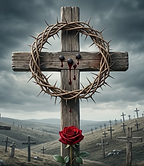


Claiming he is God
Search Results
Search this site
265 results found with an empty search
- Eternal Judgment: The Great White Throne | Answers 4 Saints
Why every soul faces judgment (Hebrews 9:27), who the Judge is, and what the opened books show. Includes a 4 question Great White Throne test. ETERNAL JUDGMENT The truth about hell False prophet Christ said"There are more people going to Hell then Heaven" 1 John 3:4 in Everyone who makes a practice of sinning also practices lawlessness; sin is lawlessness. All who indulge in a sinful life are dangerously lawless, for sin is a major disruption of God's order. The word eternal means constant or forever. The Bible refers to the final judgment that God will declare on individuals. This judgment will determine our state for eternity. It's important to realize that all judgment comes through Jesus, the Son of God. This diagnostic test brings the entire scriptural warning to its absolute climax: the Great White Throne Judgment. It forces the reader to stand before the opened books of record and the standard of the Spoken Word, confronting whether their lifestyle is being actively washed clean by the blood of the Lamb through a return to the Torah, or if they are coasting toward eternal destruction. 📋 The "Great White Throne & The Opened Books" Test Instructions: Answer these 4 final questions with absolute sobriety, evaluating your life against the infallible, courtroom evidence of the heavenly court. Question 1: The Standard of the Courtroom In John 12:48, the Judge declares the exact law book of the court: "He that rejects Me and doesn't receive my words has one that judges him: the WORD THAT I HAVE SPOKEN , the same shall judge him in the last day." When you stand before the throne, what standard will determine your destiny? A) The Spoken Word. You recognize that the unchanging Word of God—the Torah, the statutes, and the life-giving commands practiced by Yeshua—is the final law of the land. You are actively aligning your life, your diet, and your Sabbath with that standard today. B) Human Tradition . You believe that your modern church culture, personal opinions, or the consensus of the crowd will be accepted as a valid defense, assuming the Judge will overlook your disregard for His spoken commands. Question 2: The Evidence in the Books Revelation 20:12 states that the dead will be judged "according to their works, by the things that were written in the books." Knowing that 1 John 3:4 defines sin explicitly as the practice of lawlessness (anomia), what does the daily record of your actions look like right now? A) Cleaned and Transformed. The books record a life that stopped practicing lawlessness. Your past sins have been washed clean by the Blood of the Lamb, and your current record shows a dedicated pursuit of righteousness and obedience. B) Continuous Lawlessness . The books are actively recording a lifestyle that mimics the world. You routinely cross His boundaries, ignore His calendar, and live without regard for His laws, falsely hoping the record won't matter on that day. Question 3: The Severity of Willful Defiance The scripture asks a terrifying question in 1 Peter 4:17–18: If judgment begins at the house of God, "what will be the end of those who do not obey the gospel of God? " If the Father did not spare His own Son when He took on our sin, how do you view your personal accountability? A) Fearful Reverence. You realize that Yehovah is righteously incapable of overlooking unrepented sin. You treat His commands with the highest regard, knowing that the willful and rebellious will face retribution and total exclusion from the Kingdom. B) Presumptuous Security . You assume that because you made a verbal confession, you have a pass to remain willful and sloppy in your lifestyle, believing a loving God would never actually execute His written wrath on you. Question 4: The Sifting of the Book of Life At the final accounting, Daniel 7:10 and Revelation 20:12 show that the heavenly court will sit, and a meticulous search will be made through the Book of Life for the names of those standing there. What is the evidence today that a name is securely written in that book? A) You Listen and Respond . As John 8:47 states, because you belong to Yehovah, you actively listen to and physically obey His words. Your faith is visible, tangible, and set apart from the world. B) You Look and Walk Away. You talk about God, but your feet walk the broad highway to destruction (Matthew 7:13). Your life lacks the physical fruit of the New Covenant, proving that you are only fooling yourself. The Final Verdict: Look at where your checked boxes land. There is no appeal process at the Great White Throne, and there are no hidden motives that the light of His face will not expose. If your choices land squarely on B, the mirror delivers the ultimate, uncompromised truth: How you live your life is the only real evidence of what you believe internally. A major disruption of God's order cannot enter His future Kingdom. If you refuse to judge yourself by the Word today, you will be broken by that same Word on the last day. The books are being written every single hour you have breath. Turn away from the broad road of lawlessness, drop the traditions of men, and submit your walk completely to the King while the door of repentance is still open. ETERNAL JUDGMENT THE REASON FOR JUDGMENT 1. Because of sin against His laws. "As many as have sinned [missed the mark] in the law, shall be judged by the law " (Romans 2:12) "The soul that sins shall die" (Ezekiel 18: 4; also, Romans 3:23) 2. Because of disobedience - in that Yehovah is righteous and cannot overlook sin, the penalty for the broken law must be met. Those who do not know Yehovah as well as those who do not obey the gospel incur His wrath. There are two categories cited in 2 Thessalonians 1: 8; Romans 2: 8, 9 Because ungodliness and unrighteousness are unacceptable to His holiness, and sinners cannot come into His presence . Hebrews 7:26; 1 Peter 1:15,16; 1 Timothy 6:13-16; Revelation 15:4 His justice demands retribution upon those who have violated His commands, and exclusion from His presence and His future kingdom. 2 Thessalonians 1: 9; Revelation 21:27, 8 5. To limit the effects of individual and collective sin so that man may come to repentance and be saved from eternal destruction. When His judgments are embraced, they work salvation Psalm 94:12-13; 2 Peter 3: 9 'Eternal' life and 'eternal' punishment would have to be equated as the same length of time, or else of the same nature, being spoken of in the same way - i.e. that which is enduring. Eternal judgment awaits every human soul. Yeshua our Messiah will return, the dead will be raised, and they will be judged by Him and receive their eternal destiny. This will be a visible public and universal judgment. The Lamb's victory over sin, death, and Satan will be fully manifested and executed. IDENTITY OF THE JUDGE The Father is the instigator of the judgment to bring to completion His plan for the ages by bringing an end to sin and lawlessness and bringing in everlasting righteousness. See also Daniel 12: 2, 3 God the Father is cited as the judge of all - Hebrews 12:23; 1 Peter 4: 5 The Son has been given the authority to judge because He is the Son of Man. John 5:27 "He has fixed a day when He will judge the world righteously by a Man whom He has destined and appointed for that task" Romans 3: 6 Amplified Version - See also Acts 10:42 "For the Father judges no one, but has committed all judgment to the Son, " John 5:22 THE FINAL JUDGMENT "He that rejects Me and doesn't receive my words has one that judges him : the WORD THAT I HAVE SPOKEN, the same shall judge him in the last day." John 12:48 If men refuse to accept God's judgment of sin at Calvary in Messiah and refuse to judge themselves by that Word which is the only infallible standard, then there only remains the penalty for their sin, which is a judgment to destruction. Eternal death is the consequence of sin upon unregenerate man . If Yehovah did not spare His wrath upon His own Son Whom He made to be sin for us (in order to spare us), what will be the state of the willful, the lawless, and the rebellious? 1 Peter 4:17-18; John 3:36 For each person that departs this life, there will be an expectation of resurrection as well as an expectation of judgment. "It is appointed unto men once to die, but after this the judgment" Hebrews 9:27 "We shall all stand before the judgment seat (throne) of Messiah. For it is written: As I live, says Yehovah, every knee shall bow to Me, and every tongue shall confess to God. So, then each of us shall give an account of himself to God " Romans 14:10-12; Isaiah 45:23 "And I saw a Great White Throne, and Him that sat on it, from whose face the earth and the heaven fled away; and there was found no place for them. "And I saw the dead, small and great, stand before God, and the books were opened: and another book was opened, which is the book of life: and the dead were judged according to their works, by the things that were written in the books" Revelation 20:11,12 The "books" are opened. These are the records of all that each person has thought, said, and done upon earth that has not been taken out and washed clean by the Blood of the Lamb. The "Book of Life" is also opened, allowing us to understand that a search will be made through it for a record of the names of those standing before the throne on this occasion. THE OPENED BOOKS An earthly court of law proceeds upon evidence. The scriptures tell us that the heavenly court will be set for the proceedings to go forth, and all the evidence will be brought forth. The heavenly court will be seated, and the books opened. Daniel 7:10 1. THE SCRIPTURES "The word that I have spoken will judge him on the last day " John 12:48 He is the eternal Word Who spoke to Moses and gave us the Law. We will be held accountable to have obeyed His revealed Word. Hebrews 2: 1-4 2 THE BOOK OF LIFE The entries in the Book of Life will be a major determining factor of eternal destinies. Luke 10:20; Phil. 4:3; Daniel 12:1 However Yehovah said to Moses that whoever had sinned against Him in idolatry would have his name blotted out. See Exodus 32:33 & Deuteronomy 9:14. Also the ungodly - Psalm 69:28 (Christmas, Easter) Also again emphasized, that whoever turned away and followed the gods of the world, his name would be blotted out of the Book of Life. Deuteronomy 29:14, 18-20 Those of Sardis who overcame the lusts of the flesh were guaranteed their names will not be blotted out. Revelation 3:5 THE BOOK OF REMEMBRANCE "Then they that feared Yehovah spoke often one to another and Yehovah listened and heard them; So a Book of Remembrance was written before Him for those who fear Yehovah and who meditate on His name." and the promise - "And they shall be Mine, says Yehovah of host On the day that I make them My jewels." (Malachi 3:16) Note Revelation 21:19, 20 - the gemstones of New Jerusalem BOOK OF PRAYER/INTERCESSION The prayers of the righteous are recorded by the ministration of angels. "Put my tears into Your bottle; are they not in Your book? When I cry out to You, then my enemies will turn back. " Psalm 56: 8, 9 "My face is flushed from weeping .... ..... and my prayer is pure. Surely even now my witness [record KJ] is in heaven, and my evidence is on high" Job 16:16-19 'BOOK' OF STEWARDSHIP Accounting is made of each one's faithfulness in stewardship over the things entrusted to their care. Yeshua gave a parable of a nobleman going away and entrusting his servants to continue his business, with the instruction to "occupy till I come" (Luke 19:12-27) He gave another parable where a steward was called to "Give an account of your stewardship" Luke 16:2-13 RECORDS OF WORDS AND COUNSELS OF THE HEART The heart of man will be judged by the things he has said, "for out of the abundance of the heart the mouth speaks" (Matthew 12:34, 36-37) An account will be required for every unprofitable, worthless word. "For there is nothing covered that will not be revealed, nor hidden that will not be known" Luke 12: 2 He will bring to light all the hidden, secret counsels of the heart and every secret work. 1 Corinthians 4:5; Romans 2:16; Luke 8:17; Matthew 6: 4-6, 17-18 RECORDS OF ALL DEEDS Everything down to a cup of water that we give to one of His, (Matthew 10:41-42) and kind acts were done to a child in His Name (Matthew 18: 5) are recorded. Consider, even the hairs of our head are numbered and not one sparrow falls to the ground, but He knows. Psalm 139:16 Our Father has an excellent accounting system. THE JUDGMENT ACCORDING TO WORKS “the Father, who without partiality judges according to each one's work, conduct yourselves throughout the time of your stay here in fear; " 1 Peter 1:17; 4: 1-5, 17-18 "Fear God and keep His commandments, for this is the whole duty of man For God will bring every work into judgment, including every secret thing, whether good or evil." Ecclesiastes 12:14 "For we must all appear before the judgment seat (throne) of Messiah, that each one may receive the things done in the body, according to what he has done, whether good or bad." 2 Corinthians 5:10 "eternal life to those who by patient continuance in doing good seek glory, honor and immortality; but to those who are self-seeking and do not obey the truth, but obey unrighteousness - indignation and wrath, tribulation and anguish, upon every soul of a man who does evil, the Jew first and also of the Greek. For there is no partiality with God." Romans 2:7-9, 11 (Note. Jew and Greek (nations) cover all believers - see verses 1-6 of the same chapter) FOR THAT REASON - the apostles of Messiah said, "Him we preach, warning every man and teaching every man in all wisdom, that we may present every man perfect in Yeshua the Messiah" Colossians 1:28 " to present you holy, and blameless and above reproach in His sight" Colossians 1:22" That you may be sincere and without offense till the day of Messiah, being filled with the fruits of righteousness " Philippians 1:10-11 "Who will confirm you to the end, that you may be blameless in the day of our Lord, Yeshua the Messiah." 1 Corinthians 1: 8 Yeshua said, "And that servant who knew his master’s will and did not prepare himself or do according to his will, shall be beaten with many stripes. But he who did not know, yet committed things deserving of stripes, shall be beaten with few. For everyone to whom much is given, from him much will be required; and to whom much has been committed, of him, they will ask the more." Luke 12:47-48 The measure of accountability will be according to the measure of knowledge of our Father's will, as also the measure of disciplinary punishment. Indicating that Yeshua is speaking here of corrective punishment for those who receive 'few stripes'. However, Yeshua says that for those who go into unrighteous living that He "will be cut in two and appoint him his portion with the unbelievers" Luke 12:45-4 In Matthew 24:51 Yeshua is quoted as applying it to hypocrites, and that to be cut in two is an appropriate punishment for one who has lived a double life. "There shall be weeping and wailing and gnashing of teeth" - great remorse is the resultant reaction of the one who is punished in this way That which is evident is that all who do not live the life, lose their inheritance in the kingdom of God along with the hypocrites and incur the same judgment as of the unbelievers. With this, the rest of scripture agrees. "But fornication and all uncleanness of covetousness let it not even be named among you, as is fitting for saints; neither filthiness, nor foolish talking, nor coarse jesting, which are not fitting, but rather giving of thanks. For this you know, that no fornicator, nor unclean person, nor covetous man, who is an idolater, has any inheritance in the kingdom of Messiah and God. Let no one deceive you with empty words, for because of these things the wrath of God comes upon the sons of disobedience. Therefore, do not be partakers with them." Ephesians 5: 3- 7 "Now the works of the flesh are evident, which are adultery, fornication (sexual relationship outside of marriage), uncleanness ( moral impurity), lewdness (lustfulness, wantonness, lasciviousness), idolatry (worship of things or people (Christmas and Easter)- identities & ideologies), sorcery (all involvement in occultic, psychic or witchcraft practices), hatred, contentions, jealousies, outbursts of wrath, selfish ambitions, dissensions (divisions), heresies (doctrine contrary to foundational principles), envy (coveting), murders, drunkenness, revelries and the like; of which I tell you beforehand, just as I told you in times past, that those who practice such things will not inherit the kingdom of God." Galatians 5:19-21 "Do you not know that the unrighteous will not inherit the kingdom of God? Do not be deceived. (Lit. 'led astray') Neither fornicators, nor idolaters, nor adulterers, nor homosexuals (sexual abusers), nor sodomites, nor thieves, nor covetous, nor drunkards, nor revilers, nor extortioners will inherit the kingdom of God." 1 Corinthians 6: 9-10 "For it is impossible for those who were once enlightened, and have tasted the heavenly gift (salvation), and have become partakers of the Roach HaKodesh (Holy Spirit) and have tasted the good Word of Yehovah and the powers of the world to come, if they fall away, to renew them again to repentance, since they crucify again for themselves the Son of Yehovah (Messiah), and put Him to an open shame." Hebrews 6: 4-6 The warnings are there to caution us and to guard us against being overcome by the deceptions of the enemy. "But beloved, we are confident of better things concerning you, yes things that concern salvation, though we speak in this manner." Hebrews 6: 9 Judgment upon all sin is certain, "But let us who are of the day be sober, putting on the breastplate of faith and love, and as a helmet the hope of salvation. For God did not appoint us to wrath, but to obtain salvation through our Lord Yeshua the Messiah." 1 Thessalonians 5: 8, 9 "Wherefore are given unto us exceeding great and precious promises, so that through these you might be partakers of the divine nature, having escaped the corruption that is in the world through lust." 2 Peter 1: 4"Be diligent to be found in Him in peace, without spot and blameless." 2 Peter 3:14
- Hardened Heart Scripture Quiz &biblical remedies to soften a hardened heart? | Answers 4 Saints
Home Hebrews 3:13 But encourage one another daily, as long as it is called “Today,” so that none of you may be hardened by sin’s deceitfulness. Hardened Heart Scripture Quiz 1. According to Hebrews 3:13, what subtle force hardens a believer's heart? A) Intellectual doubt B) The deceitfulness of sin C) Severe persecution D) Physical exhaustion 2. In Psalm 95:7–8 and Hebrews 3:7–8, Israel hardened their hearts during the rebellion at Meribah primarily through: A) Complaining and testing God instead of trusting His voice B) Forgetting the ceremonial laws C) Intermarrying with foreign nations D) Failing to build an altar in the wilderness 3. In Zechariah 7:11–12, what deliberate action caused the people’s hearts to become "like flint"? A) Refusing to pay temple tithes B) Refusing to pay attention, turning a stubborn shoulder, and stopping their ears C) Breaking dietary restriction D) Fleeing from battle 4. According to Romans 1:21–28, what initial posture toward God starts a downward spiral into a debased and darkened heart? A) Lacking access to the Scriptures B) Failing to offer animal sacriices C) Knowing God but refusing to honor Him as God or give thanks D) Struggling with personal grief 5. In Mark 6:51–52 and Mark 8:17–21, what caused the disciples’ hearts to be hardened even after witnessing miracles like the feeding of the thousands? A) Demonic opposition B) Intellectual pride C) Spiritual blindness and failing to understand the significance of the miracles D) Physical hunger 6. In Exodus (e.g., Exodus 8:15, 8:32, 9:34), what prompted Pharaoh to repeatedly harden his own heart? A) When Moses left Egypt B) Every time relief came from a plague C) When his magicians outperformed Aaron D) When he ran out of food Answer Key & Scriptural Analysis 1. B — The deceitfulness of sin (Hebrews 3:13) Reason: Scripture warns that persistent, rationalized sin tricks the conscience over time, gradually desensitizing the heart toward God's promptings. 2. A — Complaining and testing God instead of trusting His voice (Psalm 95:7–8, Hebrews 3:7–8) Reason: At Meribah and Massah, Israel witnessed God's provision yet chose bitterness, grumbling, and demanding proof over faith. 3. B — Refusing to pay attention, turning a stubborn shoulder, and stopping their ears (Zechariah 7:11–12) Reason: Hardness of heart is often depicted as an intentional posture: turning the back, tuning out God's messengers, and choosing willful deafness. 4. C — Knowing God but refusing to honor Him as God or give thanks (Romans 1:21–28) Reason: Paul shows that when people suppress the truth they already know and lack gratitude toward their Creator, their foolish hearts become darkened. 5. C — Spiritual blindness and failing to understand the significance of the miracles (Mark 6:51–52, Mark 8:17–21) Reason: Even close followers can develop dull, hardened hearts when they view spiritual acts through purely worldly anxiety, worrying about bread right after watching Jesus feed crowds. 6. B — Every time relief came from a plague (Exodus 8:15, 8:32, 9:34) Reason: When the pressure lifted and relief appeared, Pharaoh walked back his promises and doubled down on pride rather than genuinely submitting to God. Would you like a study guide on biblical remedies to soften a hardened heart? Here is what Scripture prescribes for softening, renewing, and healing a hardened heart, organized by core principles and practical spiritual disciplines: 1. Asking God for a "Heart of Flesh" (Divine Renewal) Scripture teaches that a hardened heart ultimately cannot fix itself by sheer willpower; it requires God's transformative work. Key Passage: Ezekiel 36:26 The Principle: God promises to remove the "heart of stone" and replace it with a responsive, sensitive "heart of flesh," placing His Spirit within. Practice: Honest prayer for spiritual renewal. Approaching God with complete transparency, acknowledging areas where callousness or cynicism has set in, and asking Him to perform an inward renewal. 2. Daily Fellowship and Mutual Exhortation Isolation and secrecy allow rationalizations to thrive, which gradually dulls the conscience. Key Passage: Hebrews 3:13 The Principle: Believers are instructed to encourage and challenge one another daily so that no one is deceived and hardened by sin. Practice: Accountability and open community. Regular conversation with trusted peers who are permitted to speak truth, point out blind spots, and offer encouragement before self-deception takes root. 3. Cultivating a Broken and Contrite Spirit Pride reinforces a defensive, hardened posture. Humility and confession open the door for restoration. Key Passages: Psalm 51:17; Isaiah 57:15 The Principle: David recognized after his failure that God does not desire empty ritual, but a humble, broken, and contrite heart. God states He dwells with those of a humble spirit to revive them. Practice: Confession without excuses. Regular self-examination (Psalm 139:23–24) and quickly acknowledging wrongdoing to God and others, rather than justifying actions or shifting blame. 4. "Breaking Up Fallow Ground" (Deliberate Repentance) Biblical writers use the agricultural metaphor of hardened, unplowed soil that must be broken up before seed can take root. Key Passages: Hosea 10:12; Jeremiah 4:3–4 The Principle: Soil left untended becomes packed down and overgrown with weeds. Sowing righteousness requires intentionally breaking up hard ground and seeking the Lord. Practice: Spiritual weeding and intentional devotion. Identifying neglected areas of life, removing habits or distractions that desensitize the mind, and setting aside dedicated time for quiet reflection, prayer, and scripture study. 5. Immediate Obedience ("Today, If You Hear His Voice") Delayed response to conviction is one of the most common ways a heart hardens over time. Key Passage: Hebrews 3:7–8 (citing Psalm 95:7–8) The Principle: When God’s voice or instruction is recognized, the command is to respond today, without stalling or arguing. Practice: Prompt action. When conviction arises—whether to forgive someone, make amends, stop a harmful habit, or take a step of service—act on it immediately rather than putting it off until feelings change. 6. Active Thanksgiving and Praise Romans 1 notes that hearts grow darkened and hardened when people refuse to honor God or give Him thanks. Gratitude is the direct antidote. Key Passages: Colossians 3:15–17; 1 Thessalonians 5:18 The Principle: Recognizing God's hand in everyday life keeps the spirit humble, appreciative, and receptive. Practice: Daily gratitude. Actively noting provisions, blessings, and answered prayers to counteract grumbling, cynicism, and entitlement. Previous Next
- Sermon on the Mount Test | Answers 4 Saints
Answer 8 questions on the Beatitudes in Matthew 5 to see if your life matches a true disciple of Yeshua, with a verse by verse study. The Sermon on the Mountain Understanding the Sermon on the mountian Sermon on the mount video The Sermon on the Mountain This final diagnostic test goes directly to the heart of the Sermon on the Mount (Matthew 5:1–12). It strips away the passive, poetic veneer that religion often wraps around the Beatitudes, forcing the reader to look into the mirror of the Messiah's opening words and see if their internal condition matches the exact description of a citizen of His Kingdom. 📋 The "Sermon on the Mount" Internal Alignment Test Instructions: Answer these 8 direct questions based on your true internal state and outward actions to determine if you are bearing the fruit of a true disciple or if you are simply tracking with the crowds. Question 1: Poor in Spirit vs. Self-Sufficient The Master states: "Blessed are the poor in spirit, for theirs is the kingdom of heaven." When you look at your life before Yehovah, what is your true spiritual posture? A) You walk in absolute bankruptcy, fully recognizing your total, desperate need for Yehovah to lead you, guide you, and instruct your every step. B) You are spiritually self-sufficient, relying on your own intellect, human doctrines, or a past prayer, assuming you are "good enough" without a daily, broken dependency on Him. Question 2: Mourning Over Sin vs. Rationalizing Compromise The Master states: "Blessed are those who mourn, for they will be comforted." How do you respond internally when you realize you have violated the Father's commands or fallen into sin? A) You experience deep, heavy sorrow over your transgression, leading you to an immediate, physical turn (repentance) back to His ways so you can find the true comfort of His forgiveness. B) You shrug it off, minimize it, or claim that "grace covers it" without ever feeling genuine grief or making an effort to stop the behavior. Question 3: The Meek vs. The Self-Willed The Master states: "Blessed are the meek, for they will inherit the earth." Meekness is strength under total submission. Who holds the ultimate authority over your time, your money, your diet, and your rest? A) You have fully submitted your neck to Yehovah's yoke. Whatever His Word commands, you do—making Him the absolute Lord over everything you possess. B) You are self-willed. You listen to God's Word only when it matches your existing lifestyle, retaining final veto power over any instruction that requires real sacrifice. Question 4: Hungering for Righteousness vs. Feasting on the World The Master states: "Blessed are those who hunger and thirst for righteousness, for they will be filled." What is the driving passion and deepest hunger of your everyday life? A) You passionately long for the righteousness of Yeshua, consuming His Word daily like food and water, desperate to see His character and His Torah reflected perfectly in your walk. B) You are spiritually full and satisfied with the distractions, entertainment, and material comforts of this world, treating the deeper things of scripture as an occasional snack. Question 5: Merciful vs. Resentful The Master states: "Blessed are the merciful, for they will be shown mercy." When someone wrongs you or falls short, what is your knee-jerk reaction? A) You actively extend forgiveness, kindness, and compassion, remembering the massive debt of sin the Father forgave you, and you sow mercy so you may reap it. B) You hold grudges, keep tabs on offenses, or harbor bitter resentment, expecting the Father to show you unlimited mercy while you refuse to offer it to others. Question 6: Pure in Heart vs. Outward Appearance The Master states: "Blessed are the pure in heart, for they will see Yehovah." Remembering Hebrews 12:14 ("Without holiness, no one will see Yehovah"), what does your life look like when no human being is watching? A) You pursue inward holiness that only Yehovah can see, begging Him to cleanse your hidden motives, your thoughts, and your desires from the inside out. B) You focus entirely on outward appearance. You put on a good show for people at church or online, but your hidden thought life remains uncleaned and full of compromise. Question 7: Peacemakers vs. Divide-and-Conquer The Master states: "Blessed are the peacemakers, for they will be called sons of Yehovah." How do you handle the ministry of reconciliation (2 Corinthians 5:19–20)? A) Having been reconciled to the Father through Yeshua, you actively bring that exact message of truth, repentance, and restored covenant fellowship to the people around you. B) You cause division, spread gossip, or remain completely silent about the Messiah, leaving the people in your life disconnected from the only source of true peace. Question 8: Persecuted for Righteousness vs. Hiding the Light The Master states: "Blessed are those who are persecuted because of righteousness... Blessed are you when people insult you... because of me." What happens when your obedience to scripture causes friction with family, friends, or the culture? A) You dare to openly live exactly as Yeshua lived, counting it a joy and a privilege to face insults, exclusion, or false accusations for the sake of His name and His truth. B) You hide your faith, adjust your language, or compromise on the commandments to blend in, ensuring you never face discomfort, social rejection, or pushback from the world. The Kingdom Verdict: Look back over the eight boxes you checked. If the answers land consistently on B, the mirror reveals a sobering truth: The crowd followed Yeshua for the miracles, but only the disciples climbed the mountain to live by His words. You cannot inherit the Kingdom of Heaven if you reject the internal alignment required of its citizens . The Beatitudes are not a list of optional suggestions; they are the baseline character of the remnant. To claim to follow the Messiah while refusing to walk in His meekness, His purity, and His willingness to suffer for righteousness is to remain outside the gate. The choice to step onto the mountain and obey is yours today. Matthew 5:3-12 By Mary Fairchild The Beatitudes give us a picture of a true disciple of God . Blessed are the poor in spirit, for theirs, is the kingdom of heaven. The phrase "poor in spirit" speaks of a spiritual condition of poverty. It describes the person who recognizes his or her need for Yehovah. "The kingdom of heaven" refers to people who acknowledge Yehovah as King. Paraphrase: "Blessed are those who humbly recognize their need for Yehovah, for they will enter into his kingdom." Blessed are those who mourn, for they will be comforted. "Those who mourn" speaks of those who express deep sorrow over sin and repent for their sins. The freedom found in forgiveness of sin and the joy of eternal salvation is the "comfort" of those who repent. Paraphrase: "Blessed are those who mourn for their sins, for they shall receive forgiveness and life eternal." Blessed are the meek, for they will inherit the earth. Similar to "the poor," "the meek" are those who submit to Yehovah’s authority and make Him Lord. Revelation 21:7 says Yehovah’s children will "inherit all things." Paraphrase: "Blessed are those who submit to Yehovah as Lord, for they will inherit everything he possesses." Blessed are those who hunger and thirst for righteousness, for they will be filled. "Hunger" and "thirst" speak of deep need and driving passion. This "righteousness" refers to Yeshua Messiah. To "be filled" is the satisfaction of our soul's desire. Paraphrase: "Blessed are those who passionately long for Christ, for he will satisfy their souls." Blessed are the merciful, for they will be shown mercy. We reap what we sow. Those who demonstrate mercy will receive mercy. Likewise, those who have received great mercy will show great mercy. Mercy is shown through forgiveness, kindness, and compassion toward others. Paraphrase: "Blessed are those who show mercy through forgiveness, kindness, and compassion, for they will receive mercy." Blessed are the pure in heart, for they will see Yehovah. The "pure in heart" are those who have been cleansed from within. This is not outward righteousness that can be seen by men, but inward holiness that only Yehovah can see. The Bible says in Hebrews 12:14 that without holiness, no one will see Yehovah. Paraphrase: "Blessed are those who have been purified from the inside out, being made clean and holy, for they will see Yehovah." Blessed are the peacemakers, for they will be called sons of Yehovah. The The Bible says we have peace with Yehovah through Yeshua Messiah. Reconciliation through Christ brings restored fellowship (peace) with Yehovah. 2 Corinthians 5:19-20 says Yehovah entrusts us with this same message of reconciliation to take to others. Paraphrase: "Blessed are those who have been reconciled to Yehovah through Yeshua Messiah and bring this same message of reconciliation to others. All who have peace with Yehovah are his children." Blessed are those who are persecuted because of righteousness, for theirs is the kingdom of heaven. Just as Yeshua faced persecution, so will his followers. Those who endure by faith rather than hide their faith to avoid persecution are genuine followers of Yeshua. Paraphrase: " Blessed are those daring enough to openly live as and for Yeshua and suffer persecution, for they will receive the kingdom of heaven."Blessed are you when people insult you, persecute you, and falsely say all kinds of evil against you because of me. Rejoice and be glad, because great is your reward in heaven, for in the same way they persecuted the prophets who were before you. Matthew 5:11
- God Sees Your Ways: Proverbs 5:21 Test | Answers 4 Saints
A simple yes or no test on Proverbs 5:21 and giving an account to God, with verses on judgment and accountability. God Is Watching and listening 1 Timothy 2:12 is the twelfth verse of the second chapter of the First Epistle to Timothy. It is often quoted using the King James Version translation: But I suffer not a woman to teach, nor to usurp authority over the man, but to be in silence. Proverbs 5:21 — Simple Yes or No Test "For a man's ways are before the eyes of Yehovah, and He ponders all his paths." (Proverbs 5:21) Do you believe God sees everything you do? ☐ Yes ☐ No Do you believe your thoughts, words, and actions are known to God? ☐ Yes ☐ No Do you live as if God is watching your daily choices? ☐ Yes ☐ No Would your private life honor God if it were made public? ☐ Yes ☐ No Do you consider God's judgment before making decisions? ☐ Yes ☐ No Are you walking on a path that pleases God? ☐ Yes ☐ No Do you repent when God shows you that you are wrong? ☐ Yes ☐ No Are you following God's ways rather than your own? ☐ Yes ☐ No Conclusion If your answers are mostly Yes, you are acknowledging that God sees and examines your path. If your answers are mostly No, Proverbs 5:21 is a reminder that no path is hidden from God. Key Truth: "All your ways are before the eyes of Yehovah, and He examines all your paths." (Proverbs 5:21) Proverbs 5:21 emphasizes that God observes everything we do. It highlights that all human actions and paths are in full view of the Lord, meaning nothing we do is hidden from His sight. [1 , 2 ] Here is how a few popular Bible translations phrase this verse: English Standard Version (ESV): "For a man's ways are before the eyes of the Lord, and he ponders all his paths." New International Version (NIV): "For your ways are in full view of the Lord, and he examines all your paths." New Living Translation (NLT): "For the Lord sees clearly what a man does, examining every path he takes." [1 , 2 ] Key Takeaways Omnipresence & Omniscience: God sees all aspects of our lives—our choices, actions, and the direction we are headed. Accountability: Because God "examines" or "ponders" our paths, we are always accountable to Him for the paths we choose to walk. Wisdom vs. Folly : In the context of Proverbs 5, this verse serves as a warning against being led astray by temptation, reminding the reader that even secret sins are visible to God. You can read the full chapter and compare multiple versions on Bible Gateway . Accountability » Everyone will be giving an account of themselves to God Hebrews 9:27 And just as each person is destined to die once and after that comes judgment, Matthew 12:36-37 "But I tell you that every careless word that people speak, they shall give an accounting for it in the day of judgment. "For by your words, you will be justified, and by your words, you will be condemned." Acts 17:30 "Therefore having overlooked the times of ignorance, God is now declaring to men that all people everywhere should repent, Romans 14:12 So then each one of us will give an account of himself to God. James 4:17 “Therefore, to him who knows to do good and does not do it, to him it is sin.” Ezekiel 3:2 "Again, when a righteous man turns away from his righteousness and commits iniquity, and I place an obstacle before him, he will die; since you have not warned him, he shall die in his sin, and his righteous deeds which he has done shall not be remembered; but his blood I will require at your hand. Psalm 32:8 I will instruct you and teach you in the way which you should go; I will counsel you with My eye upon you. Psalm 33:18 Behold, the eye of the LORD is on those who fear Him, on those who hope for His lovingkindness, Psalm 34:15 The eyes of the LORD are toward the righteous And His ears are open to their cry. Proverbs 28:9 God detests the prayers of a person who ignores the law. Proverbs 15:2 The tongue of the wise comment’s knowledge, but the mouth of the fool spouts folly. 3 The eyes of the LORD are in every place, observing the evil and the good. 4 A soothing tongue is a tree of life, but a perverse tongue crushes the spirit… Revelation 20: And I saw the dead, the great and the small, standing before the throne, and the books were opened; and another book was opened, which is the book of life; and the dead were judged from the things which were written in the books, according to their deeds. Hebrews 11:6 And without faith, it is impossible to please him, for whoever would draw near to God must believe that he exists and that he rewards those who seek him. Therefore, rejecting all falsehood [whether lying, defrauding, telling half-truths, spreading rumors, any such as these], SPEAK TRUTH EACH ONE WITH HIS NEIGHBOR , for we are all parts of one another [and we are all parts of the body of Christ]. BE ANGRY [at sin--at immorality, at injustice, at ungodly behavior], YET DO NOT SIN; do not let your anger [cause you shame, nor allow it to] last until the sun goes down. 27 And do not give the devil an opportunity [to lead you into sin by holding a grudge, or nurturing anger, or harboring resentment, or cultivating bitterness]. The thief [who has become a believer] must no longer steal, but instead, he must work hard [making an honest living], producing that which is good with his own hands, so that he will have something to share with those in need. 29 Do not let unwholesome [foul, profane, worthless, vulgar] words ever come out of your mouth, but only such speech as is good for building up others, according to the need and the occasion, so that it will be a blessing to those who hear [you speak]. 30 And do not grieve the Holy Spirit of God [but seek to please Him], by whom you were sealed and marked [branded as God’s own] for the day of redemption [ the final deliverance from the consequences of sin]. 31 Let all bitterness and wrath and anger and clamor [perpetual animosity, resentment, strife, fault-finding] and slander be put away from you, along with every kind of malice [all spitefulness, verbal abuse, malevolence]. 32 Be kind and helpful to one another, tender-hearted [compassionate, understanding], forgiving one another [readily and freely], just as God in Christ also forgave [c] you.
- Comandments | Answers 4 Saints
God’s Promises to Those Who Keep His Commands The works of the law are not what you think they are works of men God will reveal Himself to us. “He that hath my commandments, and keepeth them, he it is that loveth me: and he that loveth me shall be loved of my Father, and I will love him, and will manifest myself to him” (John 14:21 ). God will dwell with us. “If a man love me, he will keep my words: and my Father will love him, and we will come unto him, and make our abode with him” (John 14:23 ). We will abide in God’s love and our joy will be full. “If ye keep my commandments, ye shall abide in my love; even as I have kept my Father’s commandments, and abide in his love. These things have I spoken unto you, that my joy might remain in you, and that your joy might be full” (John 15:10–11 ). We will know that we know and love God. “And hereby we do know that we know him, if we keep his commandments. . . . Whoso keepeth his word, in him verily is the love of God perfected: hereby know we that we are in him” (I John 2:3 , 5 ). “If ye love me, keep my commandments ” (John 14:15 ). We will show love to God’s children. “By this we know that we love the children of God, when we love God, and keep his commandments” (I John 5:2 ). We will be friends of Christ. “Ye are my friends, if ye do whatsoever I command you” (John 15:14 ). Our prayers will be answered. “And whatsoever we ask, we receive of him, because we keep his commandments, and do those things that are pleasing in his sight” (I John 3:22 ). We will be disciples. “A new commandment I give unto you, That ye love one another; as I have loved you, that ye also love one another. By this shall all men know that ye are my disciples, if ye have love one to another ” (John 13:34–35 ). Remember: “For it is God which worketh in you both to will and to do of his good pleasure ” (Philippians 2:13 ). Living a life of obedience to God is not found by striving or trying harder, but rather by abiding in Christ. God is the One that works in you to will and to do His good pleasure. In I Thessalonians Chapter 5, after a list of important commands such as “Pray without ceasing,” “In every thing give thanks,” and “Quench not the Spirit,” we find this verse: “Faithful is he that calleth you, who also will do it” (verse 24). Praise God that He does not just give us these commands, but He also does them in and through us! The only way we are faithful is be The Hand: Representing action. By "binding" a principle to your hand, it serves as a reminder that your physical deeds and work should align with your beliefs. The Forehead: Representing intellect and vision . Placing it between the eyes signifies that these truths should focus your thoughts and dictate how you perceive the world. Remember God's Words 18 Fix these words of mine in your hearts and minds; tie them as reminders on your hands and bind them on your foreheads. 19Teach them to your children, speaking about them when you sit at home and when you walk along the road, when you lie down and when you get up.… Deuteronomy 11:18 - Remember God's Words Fix these words of mine in your hearts and minds; tie them as reminders on your hands and bind them on your foreheads. 19 Teach them to your children, speaking about them when you sit at home and when you walk along the road, when you lie down and when you get up.… The Hand: Representing action . By "binding" a principle to your hand, it serves as a reminder that your physical deeds and work should align with your beliefs. The Forehead: Representing intellect and vision. Placing it between the eyes signifies that these truths should focus your thoughts and dictate how you perceive the world. Bible Verses About the Consequences of Disobedience 1 . Deuteronomy 28:15 – Curses for Disobedience However, if you do not obey the Lord your God and do not carefully follow all his commands and decrees I am giving you today, all these curses will come on you and overtake you. 2. Romans 6:23 – The Wages of Sin Is Death For the wages of sin is death, but the gift of God is eternal life in Christ Jesus our Lord. 3. Galatians 6:7-8 – You Reap What You Sow Do not be deceived: God cannot be mocked. A man reaps what he sows. Whoever sows to please their flesh, from the flesh will reap destruction; whoever sows to please the Spirit, from the Spirit will reap eternal life. 4. Proverbs 13:15 – The Way of the Unfaithful Leads to Their Destruction Good judgment wins favor, but the way of the unfaithful leads to their destruction 5. Isaiah 1:19-20 – If You Are Willing and Obedient If you are willing and obedient, you will eat the good things of the land; but if you resist and rebel, you will be devoured by the sword. For the mouth of the Lord has spoken. 6. Jeremiah 17:5-6 – Cursed Is the One Who Trusts in Man This is what the Lord says: Cursed is the one who trusts in man , who draws strength from mere flesh and whose heart turns away from the Lord. That person will be like a bush in the wastelands; they will not see prosperity when it comes. They will dwell in the parched places of the desert, in a salt land where no one lives. 7. Proverbs 1:24-27 – When Disaster Strikes But since you refuse to listen when I call and no one pays attention when I stretch out my hand, since you disregard all my advice and do not accept my rebuke, I in turn will laugh when disaster strikes you; I will mock when calamity overtakes you—when calamity overtakes you like a storm, when disaster sweeps over you like a whirlwind, when distress and trouble overwhelm you. 8. Numbers 32:23 – Be Sure Your Sin Will Find You Out But if you fail to do this, you will be sinning against the Lord; and you may be sure that your sin will find you out. 9. 1 Samuel 15:23 – Rebellion Is as the Sin of Witchcraft For rebellion is as the sin of divination, and presumption is as iniquity and idolatry. Because you have rejected the word of the Lord, He has also rejected you from being king. 10. Proverbs 14:12 – There Is a Way That Appears to Be Right There is a way that appears to be right, but in the end it leads to death. 11. James 1:14-15 – When Desire Has Conceived But each person is tempted when they are dragged away by their own evil desire and enticed. Then, after desire has conceived, it gives birth to sin; and sin, when it is full-grown, gives birth to death. 12. Hosea 8:7 – They Sow the Wind and Reap the Whirlwind They sow the wind and reap the whirlwind. The stalk has no head; it will produce no flour. Were it to yield grain, foreigners would swallow it up. 13. Ezekiel 18:20 – The Soul Who Sins Shall Die The soul who sins is the one who will die. The child will not share the guilt of the parent, nor will the parent share the guilt of the child. The righteousness of the righteous will be credited to them, and the wickedness of the wicked will be charged against them. 14. Proverbs 5:22-23 – The Evil Deeds of the Wicked Ensnare Them The evil deeds of the wicked ensnare them; the cords of their sins hold them fast. For lack of discipline they will die, led astray by their own great folly. 15. 2 Chronicles 36:16 – Until the Wrath of the Lord Arose But they mocked God’s messengers, despised his words and scoffed at his prophets until the wrath of the Lord was aroused against his people and there was no remedy. 16. Hebrews 2:2-3 – How Shall We Escape If We Ignore So Great a Salvation? For since the message spoken through angels was binding, and every violation and disobedience received its just punishment, how shall we escape if we ignore so great a salvation? 17. Jeremiah 7:23-24 – They Did Not Listen or Pay Attention But I gave them this command: Obey me, and I will be your God and you will be my people. Walk in obedience to all I command you, that it may go well with you. But they did not listen or pay attention; instead, they followed the stubborn inclinations of their evil hearts. They went backward and not forward. 18. Deuteronomy 8:19-20 – If You Ever Forget the Lord If you ever forget the Lord your God and follow other gods and worship and bow down to them, I testify against you today that you will surely be destroyed. Like the nations the Lord destroyed before you, so you will be destroyed for not obeying the Lord your God. 19. Proverbs 28:9 – Even Their Prayers Are Detestable If anyone turns a deaf ear to my instruction, even their prayers are detestable. 20. Romans 1:28 – God Gave Them Over to a Depraved Mind Furthermore, just as they did not think it worthwhile to retain the knowledge of God, so God gave them over to a depraved mind, so that they do what ought not to be done. 21. Proverbs 29:1 – Suddenly Destroyed Without Remedy Whoever remains stiff-necked after many rebukes will suddenly be destroyed—without remedy. 22. Leviticus 26:14-16 – If You Will Not Listen to Me But if you will not listen to me and carry out all these commands, and if you reject my decrees and abhor my laws and fail to carry out all my commands and so violate my covenant, then I will do this to you: I will bring on you sudden terror, wasting diseases and fever that will destroy your sight and sap your strength. 23. Isaiah 3:11 – Woe to the Wicked! Woe to the wicked! Disaster is upon them! They will be paid back for what their hands have done. 24. Amos 3:2 – Therefore I Will Punish You You only have I chosen of all the families of the earth; therefore I will punish you for all your sins. 25. Jeremiah 22:21 – You Have Not Obeyed Me I warned you when you felt secure, but you said, ‘I will not listen!’ This has been your way from your youth; you have not obeyed me. 26. Psalm 81:11-12 – My People Would Not Listen But my people would not listen to me; Israel would not submit to me. So I gave them over to their stubborn hearts to follow their own devices. 27. 2 Thessalonians 1:8-9 – He Will Punish Those Who Do Not Obey He will punish those who do not know God and do not obey the gospel of our Lord Jesus. They will be punished with everlasting destruction and shut out from the presence of the Lord and from the glory of his might. 28. Colossians 3:25 – Anyone Who Does Wrong Will Be Repaid Anyone who does wrong will be repaid for their wrongs, and there is no favoritism. 29. Proverbs 11:21 – The Wicked Will Not Go Unpunished Be sure of this: The wicked will not go unpunished, but those who are righteous will go free. 30. Matthew 7:26-27 – The Foolish Man Who Built on Sand But everyone who hears these words of mine and does not put them into practice is like a foolish man who built his house on sand. The rain came down, the streams rose, and the winds blew and beat against that house, and it fell with a great crash. 31. Luke 12:47-48 – The Servant Who Knows His Master’s Will The servant who knows the master’s will and does not get ready or does not do what the master wants will be beaten with many blows. But the one who does not know and does things deserving punishment will be beaten with few blows. From everyone who has been given much, much will be demanded; and from the one who has been entrusted with much, much more will be asked. 32. Hebrews 10:26-27 – If We Deliberately Keep On Sinning If we deliberately keep on sinning after we have received the knowledge of the truth, no sacrifice for sins is left, but only a fearful expectation of judgment and of raging fire that will consume the enemies of God. 33. Ezekiel 3:20 – When a Righteous Person Turns From Their Righteousness Again, when a righteous person turns from their righteousness and does evil, and I put a stumbling block before them, they will die. Since you did not warn them, they will die for their sin. The righteous things that person did will not be remembered, and I will hold you accountable for their blood. 34. 1 Corinthians 10:5 – God Was Not Pleased With Most of Them Nevertheless, God was not pleased with most of them; their bodies were scattered in the wilderness. 35. Revelation 22:18-19 – If Anyone Takes Words Away I warn everyone who hears the words of the prophecy of this scroll: If anyone adds anything to them, God will add to that person the plagues described in this scroll. And if anyone takes words away from this scroll of prophecy, God will take away from that person any share in the tree of life and in the Holy City, which are described in this scroll. Obedience to God’s word is a cornerstone of the Christian life, reflecting our love, trust, and commitment to him. The Bible offers numerous verses that guide believers on the path of obedience, emphasizing its significance and the blessings it brings. Below are 33 Bible verses on obedience, each accompanied by a reflection to inspire and deepen your understanding. John 14:15 “If you love me, keep my commandments.” Reflection: True love for Christ manifests in our willingness to follow His teachings. Obedience is not merely about adhering to rules but is a heartfelt response to the love of God. By keeping the commandments of the Lord, we demonstrate our devotion and align our actions with His divine will. Deuteronomy 11:27 “A blessing, if ye obey the commandments of the Lord your God, which I command you this day.” Reflection: God promises success and blessings to those who follow His commands. Obedience opens the door to divine favor, guiding us toward the good land He has prepared. By choosing the way of truth, we position ourselves to receive the fullness of His promises. James 1:22 “But be ye doers of the word, and not hearers only, deceiving your own selves.” Reflection: Engaging with the word of God is essential, but it must be coupled with action. Merely being a hearer of the word without implementing it leads to self-deception. True faith is demonstrated when we become doers of the word, actively living out God’s teachings in our daily lives. 1 Samuel 15:22 “To obey is better than sacrifice , and to hearken than the fat of rams.” Reflection: God values true obedience over ritualistic offerings. While sacrifices were significant under the law of Moses, they are meaningless without a heart inclined toward obedience. Prioritizing the voice of the Lord and aligning our actions with His will brings Him great delight. Romans 6:16 “Know ye not, that to whom ye yield yourselves servants to obey, his servants ye are to whom ye obey; whether of sin unto death, or of obedience unto righteousness?” Reflection: Our choices reveal our allegiances. Yielding to sin leads to spiritual death, while man’s obedience to God results in righteousness. By choosing to be obedient slaves to righteousness, we embrace the way of faithfulness and reflect the transformative power of the Holy Spirit in our lives. Matthew 7:21 “Not every one that saith unto me, Lord, Lord, shall enter into the kingdom of heaven; but he that doeth the will of my Father which is in heaven.” Reflection: Verbal confession alone is insufficient for entering the kingdom of heaven. It is through doing the will of my Father that we demonstrate genuine faith. Obedience is the key that unlocks the door to eternal fellowship with God, emphasizing the importance of obedience in our spiritual walk. Romans 13:1 “Let every soul be subject unto the higher powers. For there is no power but of God: the powers that be are ordained of God.” Reflection: Respecting governing authorities is an act of obedience to God, acknowledging His sovereignty in establishing leadership. By submitting to earthly rulers, we honor God’s ordained order, fostering peace and reflecting the law of love in our interactions with society. Luke 11:28 “Blessed are they that hear the word of God, and keep it.” Reflection: Hearing the word of God is a blessing, but the greater blessing lies in keeping it. Obedience transforms knowledge into wisdom, allowing us to bear fruit in our lives. By faithfully adhering to God’s teachings, we experience the fullness of His blessings and the joy of a living sacrifice. 1 Peter 1:14 “As obedient children, not fashioning yourselves according to the former lusts in your ignorance.” Reflection: As obedient children, we are called to abandon the passions of our former ignorance. Embracing a new identity in Christ means aligning our desires with His, leading to a transformed life that reflects the renewing of our minds and the pursuit of holiness. Hebrews 5:9 “And being made perfect, he became the author of eternal salvation unto all them that obey him.” Reflection: Christ’s perfect obedience to the Father established Him as the source of eternal salvation. Our obedience to Him is a response to His sacrifice, securing our place in the kingdom of heaven and affirming our commitment to the will of God. Ephesians 6:1 “Children, obey your parents in the Lord: for this is right.” Reflection: Obedience within the family unit mirrors our relationship with God. By honoring our earthly parents, we practice submissive compliance that pleases the Lord. This commandment fosters harmony and reflects the law of love in our Christian life . John 15:14 “Ye are my friends, if ye do whatsoever I command you.” Reflection: Friendship with Christ is marked by obedience. By following His commands, we enter into a deeper relationship with Him, characterized by mutual love and trust. This obedience is not burdensome but a joyful expression of our connection with Christ Jesus. Colossians 3:20 “Children, obey your parents in all things: for this is well pleasing unto the Lord.” Reflection: Comprehensive obedience to parental guidance aligns with God’s design for familial relationships. Such obedience is well pleasing unto the Lord, fostering an environment where the commands of the Lord are honored and the family unit thrives Acts 5:29 “Then Peter and the other apostles answered and said, We ought to obey God rather than men.” Reflection: When faced with conflicting authorities, our ultimate allegiance is to God’s commandments. The apostles, as witnesses of these things, modeled courageous faith and unwavering obedience. Their words remind us that true obedience sometimes requires standing against worldly systems for the sake of His name. 1 John 2:3 “And hereby we do know that we know him, if we keep his commandments.” Reflection: The gift of God—eternal life—was made possible through this ultimate act of obedience. This verse highlights that the Christian life is rooted in action, not merely belief. Philippians 2:8 “And being found in fashion as a man, he humbled himself, and became obedient unto death, even the death of the cross.” Reflection: Jesus, taking on human form, showed perfect obedience to the point of the cross. His humility becomes the model for all servants of the Lord, inviting us to live sacrificially. The gift of God—eternal life—was made possible through this ultimate act of obedience. Titus 3:1 “Put them in mind to be subject to principalities and powers, to obey magistrates, to be ready to every good work.” Reflection: Obedience extends into civic life, where believers are called to be exemplary citizens. By honoring authorities and doing good work, Christians become living testimonies of God’s order. This aligns with the work of the Lord in all areas of society. Matthew 28:20 “Teaching them to observe all things whatsoever I have commanded you.” Reflection: Obedience becomes worship when we yield to the will of God with sincerity and love. It’s through this act that we live out the importance of obedience daily. It’s through this act that we live out the importance of obedience daily.. Discipleship involves learning and observing the commands of the Lord, ensuring a legacy of true obedience across generations. Teaching obedience is integral to the spread of the kingdom of heaven. Romans 12:1 “Present your bodies a living sacrifice, holy, acceptable unto God, which is your reasonable service.” Reflection: This verse calls for complete surrender—our bodies and lives as a living sacrifice. Obedience becomes worship when we yield to the will of God with sincerity and love. It’s through this act that we live out the importance of obedience daily. 1 Peter 2:13 “Submit yourselves to every ordinance of man for the Lord’s sake.” Reflection: Submissive compliance is not weakness but spiritual strength. By obeying lawful authority, we reflect trust in God’s sovereignty and His governance over the nations of the earth. Our obedience honors the name of the Lord and brings good understanding. Hebrews 13:17 “Obey them that have the rule over you, and submit yourselves: for they watch for your souls.” Reflection: Spiritual leadership is a sacred trust, and obedience to godly leaders ensures accountability and care. The work of God within church leadership req uires cooperation and unity. This verse underscores the law blessing that comes through spiritual oversight. John 15:10 “If ye keep my commandments, ye shall abide in my love.” Reflection: Obedience keeps us rooted in the love of God. R emaining in Christ’s love means honoring His commandments of the Lord, much like He obeyed the Father. This abiding relationship produces peace and helps believers bear fruit in their walk. 1 John 3:22 “And whatsoever we ask, we receive of him, because we keep his commandments , and do those things that are pleasing in his sight.” Reflection: Obedience opens the door to answered prayer . Living in harmony with God’s will demonstrates true obedience and reflects trust in the Holy Spirit. Our obedience pleases God and aligns us with His good plan for our lives. Romans 2:13 “Not the hearers of the law are just before God, but the doers of the law shall be justified.” Reflection: Righteousness is not about hearing the law of Moses, but obeying it. Doers of the word engage actively with truth and live out their faith with integrity. This aligns with the perfect law that brings liberty and justice. 2 John 1:6 “And this is love, that we walk after his commandments.” Reflection: Love and obedience are inseparable in Scripture. Walking in obedience is the way of truth and a sign of fidelity to God. This verse ties the first commandment to daily life—love is action, rooted in God’s word. 2 Corinthians 10:5 “Bringing into captivity every thought to the obedience of Christ.” Reflection: Obedience starts in the mind, shaping how we live and act. As we align our thoughts with Christ, we participate in spiritual warfare against man’s disobedience. The renewing of your mind is essential for a transformed, obedient life. Psalm 119:115 “Depart from me, ye evildoers: for I will keep the commandments of my God.” Reflection: Obedience may require separating from influences that hinder spiritual growth. Commitment to the commands of the Lord sometimes means choosing solitude with God over company that leads us astray. It’s a declaration of allegiance to the law of love of God. Jeremiah 7:23 “Obey my voice, and I will be your God, and ye shall be my people.” Reflection: God’s covenant promise hinges on our obedience to the voice of the Lord. This intimate relationship, defined by loyalty and love, reveals the whole duty of man. Walking in obedience draws us into the heart of God’s plan. Romans 16:26 “Made known to all nations for the obedience of faith.” Reflection: The gospel is not just for belief but also for obedience of faith. Across the nations of the earth, God’s call to obey through faith bridges cultures and unites believers. It highlights the New Testament call to walk in step with His wil l. Hebrews 11:8 “By faith Abraham obeyed.” Reflection: Abraham’s story exemplifies how man’s obedience often precedes understanding. Trusting God’s promise, he followed without knowing the destination, modeling unwavering faith. Obedience and faith are the twin pillars of the Christian life. Proverbs 1:8 “Forsake not the law of thy mother.” Reflection: Mother’s teaching plays a critical role in spiritual formation. Honoring parental wisdom is part of God’s design for instruction and discipline. This obedience fosters a foundation of faithfulness, rooted in the holy Bible. Ecclesiastes 12:13 “Fear God, and keep his commandments: for this is the whole duty of man.” Reflection: The fear of the Lord and obedience summarize life’s ultimate purpose. The whole duty of man is wrapped up in living with reverence and aligning with God’s decrees. This verse is a powerful memory verse reminding believers of what matters most. Obedience is a call to all children of God. Our lives should reflect the standard of teaching found in the name of Christ. As servants of the Lord, let us obey the Father’s commandment even to the point of death, just as Christ did. Through the Greek word, Hebrew word, or even the English Standard Version, the message remains: Obedience is a good thing. .
- Pagan Easter: Ishtar and the Eggs | Answers 4 Saints
The priests of Ishtar and their dyed eggs: this page traces Easter's sunrise service and eggs back to pagan worship. Easter bunny an the resurrection video Is Easter Pagan The Satanic Ritual of Sacrificing Children Every year, the priests of Ishtar would impregnate young virgins on an altar dedicated to herself and her husband*. The children were born on Christmas December 25, and the next year they were sacrificed on Easter Sunday at the sunrise service. The priests would take Ishtar's eggs and dye them in the blood of the sacrificed children. The Truth About Easter Good Friday Easter Sunday Great Easter Fraud Easter 3 days and 3 days nights 72 hours 3 Days and 3 Nights video Pagan Easter How Can Celebrate Easter Anger God? (If you mix unholy with Holy it is blas·phe·my ) Now that we have just gone through the roots of easter the question remains, “How does celebrating easter anger God?” There is no doubt that the holiday has pagan roots which the LORD detests. Throughout the Old Testament, we see the LORD’s reaction to Israel’s constant falling away into idol worship and pagan practices. We are not much different than the Israelites. Why should we expect a different reaction from Abba? The Word says that God is a jealous God who does not tolerate idolatry. And even if you celebrate Easter with Jesus in mind, God does not receive this! Why? Because it’s a strange fire! Following a holiday with pagan roots , symbols, and meanings and then claiming it in honor of God is an abomination! Celebrating Easter does not honor or please God even if we do it with the right intention. It was never established by God, so why are we so attached to it? Why do we go to great lengths to defend a holiday that angers Abba? Pride perhaps? Or our unbudging stubbornness in tradition? In the words of Paul to the Romans: “But what saith the answer of God unto him? I have reserved to myself seven thousand men, who have not bowed the knee to the image of Baal.” (Romans 11:5)And still, to this day, there is a remnant of followers of The Way who have made the decision not to be contaminated by the world. Who have proposed to follow God no matter the cost, no matter the fire, no matter the cold shoulder. Because being Christian is not easy and less even when you follow the entire truth- the truth that no one wants to acknowledge. Truth is never popular, not even in the church. But be brave brethren. Be humble. At the end of the day, we want God’s approval, not man’s. Will you be part of the remnant? The following article is based on J. R. Terrier's book "History of Easter - Hidden, Secret Origin and Mystery Religion". Additions by Alexander Light, HumansAreFree.com; Easter is an annual celebration observed throughout the Christian world. There are absolutely no verses in the Bible that authorize or endorse the keeping of an Easter celebration. Further, the Bible says nothing about the practice of observing Lent, dying Easter eggs, having Easter egg hunts, baskets of candy, bonnets – and so on. Easter has long been known to be a pagan festival. America’s founders knew this. More Inconsistencies Our traditional Good Friday to Sunday celebration however only accounts for Yeshua’ being in the heart of the earth for two nights and one day. Were the facts of Yeshua’ death? burial, and resurrection purposely distorted? Learn who is not telling the truth -- and why! Barns Group survey. "Believers don't care what the truth Is, or care what Yehovah desires from us. We are afraid of looking into, it because it will draw a line in the sand, we know we don't want to make those decisions because at the end of the day, we want what we want, we are comfortable with our lives we are comfortable out traditions that are man-made. But you have a thought that pops into your head that's not what it means to me. The issue is it doesn't matter to you it matters to Yehovah He is the one being worshiped." The problem facing the church is not that people lack a complete set of beliefs the problem is that have a full state of beliefs in mind, which they think are consistent with biblical teachings, and they are neither open to being proven wrong nor learning new insights . The bottom line is among both clergy and laity was indifference toward their acknowledged lack of evaluation" Barrna Heading 6 The Day "Christianity" Overtook Christianity (Constantine vs. Passover) To help others understand this perspective, it is often most effective to move away from modern traditions and point directly to the Biblical standard for worship. When people argue that "Easter is for Jesus," the response from this viewpoint is typically that the motive doesn't sanctify the method. Here are the four primary pillars used to explain why this holiday is seen as problematic from a strictly Biblical standpoint: 1. The Command Against "Syncretism" The most direct Biblical argument is that God explicitly forbids mixing His worship with the customs of other gods. Deuteronomy 12:30-31: God tells Israel not to ask, "How did these nations serve their gods? I will also do likewise." He says, "You shall not worship the Lord your God in that way." The Point: Even if someone intends to honor the Resurrection, using symbols originally tied to fertility deities (like eggs and rabbits) is seen as "incorporating the abominable" into the holy. 2. The Origin of the Name While most languages use a version of the word Pascha (Passover), the English name "Easter" has no Biblical root. The History: It is widely accepted (even by the 8th-century monk Bede) that the name derives from Eostre (or Ostara), a Germanic goddess of spring and fertility. The Argument: If God's name is to be hallowed and kept pure, using the name of a pagan deity to title the most important event in history (the Resurrection) is viewed as a form of spiritual "compromise." 3. "The Way of the Heathen" Jeremiah 10:2 says, "Do not learn the way of the Gentiles." This perspective argues that "Easter" as we know it is a man-made tradition that replaced the God-ordained Passover. Passover vs. Easter: Jesus is our Passover Lamb (1 Corinthians 5:7). The early church kept the Passover, not a "spring festival." The Argument: By shifting the focus to "Easter Sunday" (a date determined by the equinox rather than the Biblical calendar), the specific timing and meaning God established for the Messiah's sacrifice is obscured. 4. The "Golden Calf" Principle In Exodus 32, the Israelites built a golden calf and called it a "feast to the Lord." * The Result: Even though they claimed they were worshiping the true God, He was furious because they were using a pagan image to represent Him. The Lesson: This suggests that God is not honored when we choose our own "traditions" of worship, especially those borrowed from cultures He told His people to remain separate from.
- The Sinner and The Saint | Answers 4 Saints
Home The Sinner and The Saint The Bible doesn't mince words about what makes a sinner. Sin isn't just making an honest mistake; it is stepping across the line into lawlessness: The Sinner and The Saint Old Jack sat on his porch bench with his worn Bible open on his lap, turning to the pages that recorded the history of God's people. He reflected on how Scripture tells the story of human nature. It reveals that every person starts on the exact same footing—as a sinner. The Bible doesn't mince words about what makes a sinner. Sin isn't just making an honest mistake; it is stepping across the line into lawlessness: "Everyone who makes a practice of sinning also practices lawlessness; sin is lawlessness." — 1 John 3:4 No matter how hard a person tries in their own strength, every human story carries the mark of falling away from God's perfect standard: "For all have sinned and fall short of the glory of God." — Romans 3:23 "Surely there is not a righteous man on earth who does good and never sins." — Ecclesiastes 7:20 Yet the story doesn't end in sin. Through true repentance, turning away from lawlessness, and being washed clean by the blood of the Messiah, the sinner is transformed into a saint. Scripture shows that a saint isn't someone who lived a perfect life without ever stumbling. A saint is a redeemed sinner—someone cleansed, set apart, and dedicated to walking in covenant with God: "And such were some of you. But you were washed, you were sanctified, you were justified in the name of the Lord Jesus Christ and by the Spirit of our God." — 1 Corinthians 6:11 John laid out this exact line of distinction—showing how a person's conduct clearly manifests whether they belong to God or to the adversary: "7 Little children, let no man deceive you: he that doeth righteousness is righteous, even as he is righteous. 8 He that committeth sin is of the devil; for the devil sinneth from the beginning. For this purpose the Son of God was manifested, that he might destroy the works of the devil. 9 Whosoever is born of God doth not commit sin; for his seed remaineth in him: and he cannot sin, because he is born of God. 10 In this the children of God are manifest, and the children of the devil: whosoever doeth not righteousness is not of God, neither he that loveth not his brother." — 1 John 3:7–10 Jack turned the thin pages further right, near the very end of the Book, where the vision of Revelation opened up. The Bible didn't pretend that living as a saint was an easy, quiet walk once a person turned their life around. It described a real, ongoing spiritual war—an adversary who hated everything set apart by God. The dragon was actively pursuing and chasing a specific group of people across the earth: "Then the dragon became furious with the woman and went off to make war on the rest of her offspring—on those who keep the commandments of God and hold to the testimony of Jesus." — Revelation 12:17 The Devil wasn't wasting his time chasing those who remained bound in sin or who had drifted away with the world. He was directly targeting the saints who stood their ground—the ones who held tight to faith in the Messiah and refused to let go of God's instructions. Daniel had seen the same struggle centuries before, describing how the enemy would try to "wear out the saints of the Most High" (Daniel 7:25). Yet right in the middle of the adversary's pursuit, Scripture laid down the blueprint for how those set apart endure: "Here is a call for the endurance of the saints, those who keep the commandments of God and their faith in Jesus." — Revelation 14:12 Jack closed the Book and leaned back. The truth laid out in the Word was crystal clear. Every person enters the world as a sinner, but grace and obedience open the door to become a saint. The adversary might chase those who keep the covenant, but the saints who hold fast to Yeshua and keep His commandments are anchored on the Rock—and no enemy can tear them away.
- ONE World Religon | Answers 4 Saints
Home In biblical prophecy, the "One World Religion" refers to the prophesied end-times global spiritual system that unites humanity in a compromised, syncretic, and ultimately anti-God form of worship. Read More Narrative: From Seduction to Coercion In a gleaming global capital, delegates gather under the banner "One Earth, One Spirit, One Peace" to sign the Great Accord of Universal Brotherhood. Julian marvels at the unity, convinced humanity has finally discarded divisive dogma for universal love. His colleague, Daniel, warns him that this is the "golden cup" of Mystery Babylon—a seductive syncretism that empties divine truth of its authority in exchange for human consensus. The atmosphere changes when a white-robed leader steps onto the dais. Speaking softly like a lamb, he calls down literal fire from heaven to massive applause. Instantly, the facade of tolerance drops. The speaker issues a binding decree: all must bow to the Image of the Leader and receive a universal mark, or face complete economic and social exile. As panic ensues, Daniel urges Julian to heed the ancient biblical warning: "Come out of her, My people" (Revelation 18:4), reminding him that true peace rests solely in an unshakeable Kingdom. Eschatological Framework 1. The Two Phases of the Global System Phase 1: Seductive Syncretism (Mystery Babylon — Revelation 17): A wealthy, culturally appealing religious alliance rides worldly political power. It promotes tolerance, universalism, and moral relativism, diluting sound doctrine into human-centered consensus. Phase 2: Enforced Totalitarianism (The False Prophet — Revelation 13): The second beast, masquerading as harmless ("horns like a lamb") but speaking with dragon-like authority, uses signs (such as fire from heaven) to mandate worship of the Antichrist. Pluralism yields to totalitarian compliance via the mark of the beast. 2. Driving Factors Syncretism and Pluralism: Relativizing exclusive truth claims (e.g., John 14:6) and blending biblical language with outside spiritual concepts. Compromised Unity: Prioritizing institutional or humanitarian peace over foundational biblical commandments. The "Tolerance" Inversion: A framework that begins by demanding total inclusivity and ends by criminalizing biblical orthodoxy. 3. Hallmarks of the Deception Apostasy: A widespread turning away from sound doctrine to satisfy popular sentiment (2 Thessalonians 2:3; 2 Timothy 4:3–4). Lying Wonders: Miracles that validate false authority and mislead the undiscerning (Matthew 24:24; 2 Thessalonians 2:9). Self-Deification: The Antichrist setting himself up in the temple, proclaiming himself to be God (2 Thessalonians 2:4). 4. The Biblical Response Discernment: Testing every spiritual claim against the written Word (1 John 4:1; Isaiah 8:20). Fidelity: Refusing theological compromise, regardless of social or economic pressure. Separation: Remaining distinct in character and allegiance (Revelation 18:4).
- The Watchman's Diagnosis | Answers 4 Saints
Home The Watchman's Diagnosis The Messianic Walk: 'Whoever claims to live in him must live as Yeshua did.' The Hearer's Peace A comfortable tradition that tickles the ears and requires no change. The Urgent Warning: James warns that hearers who do not do the word are only fooling themselves. The wind howled through the jagged mountain pass, carrying the chill of an impending autumn storm. At the highest point of the ancient stone fortress, Michael stood on the watchtower, his eyes sweeping across the dark valley below. The horizon was flickering—not with lightning, but with the distant, burning fires of collapsing kingdoms. Beside him stood young Caleb, a recently assigned watchman who was nervously adjusting his cloak. Down in the valley, nestled in a false sense of security, lay a massive city populated by millions of believers. The music from their modern cathedrals drifted up into the night air. "Michael," Caleb said, shivering as he looked at the distant smoke. "Should we blow the shofar? The border gates are buckling, and the enemy is advancing. But the priests in the valley told me not to cause panic. They said the people are under grace—that they have a special exemption from the trials because they believe. They told me my warnings are too harsh." Michael turned his head, his gaze cutting through the dark with absolute, direct piercing clarity. He reached down and gripped the heavy brass shofar hanging at his waist. "Caleb," Michael said, his voice dropping into a solemn tone. "A watchman who stays silent to keep the peace is a murderer. The Almighty gave us a specific, binding statute regarding this very wall." Michael pulled a well-worn leather scroll from his leather pouch, pointing to the stark warning of the prophet Ezekiel. "If the watchman sees the sword coming and does not blow the trumpet, and the people are not warned, and the city is taken... his blood I will require at the watchman's hand." — Ezekiel 33:6 "Look at the condition of the people below," Michael continued, gesturing toward the glowing city lights. "They have been fed a diet of smooth illusions. Their teachers have told them that the commandments are done away with, that the food laws don't matter, and that they can ignore the Sabbaths while still claiming the King’s favor. They think belief is a passive feeling." The Watchman's Diagnosis The Lie in the Valley The Truth on the Wall The Scriptural Standard Cheap Grace Belief without obedience guarantees escape and safety. Active Endurance: True faith is demonstrated solely by walking in the commandments. Obsolete Statutes The moral laws and appointed feasts were nailed to the cross. The Messianic Walk: 'Whoever claims to live in him must live as Yeshua did.' The Hearer's Peace A comfortable tradition that tickles the ears and requires no change. The Urgent Warning: James warns that hearers who do not do the word are only fooling themselves. "The deception is absolute, Caleb," Michael explained, tapping the stone wall. "The Apostle John did not mince words in his gospel. He wrote, 'Anyone who doesn't obey the Son will never experience eternal life but will remain under God's angry judgment.' The Master did not redeem us so we could live in lawlessness. He redeemed us so we could finally walk as He walked—in strict, holy obedience to the Father's instructions." Caleb looked down at his own trumpet, his hands trembling. "But if I blow the warning now, they will call me legalistic. They will say I am disrupting their grace." "Let them talk," Michael said with fierce, loving candor. "James wrote, 'But don't just listen to God's word. You must do what it says. Otherwise, you are only fooling yourselves.' The entire valley is fooling itself, pretending they can turn a deaf ear to the King's commands while expecting Him to open the gates of the Kingdom. The sword is coming for the lawless, no matter what title they wear." Michael lifted the heavy brass shofar to his lips. He didn't offer a gentle melody or a comforting phrase to appease the crowd. He took a deep breath and blew a long, shattering, unmistakable alarm that echoed off the mountain walls and sliced directly through the music of the valley below. TEKIAH! The sharp blast tore through the night, a call to repentance, a demand to wake up, and a summons to return to the ancient paths of the Torah before the gates were permanently shut. "Blow your trumpet, Caleb," Michael commanded, looking out into the gathering storm. "The time for smooth words is over. Warn the believers to clean their houses, keep the commandments, and align their walk with the Messiah. Let the blood be off our hands." Caleb drew a deep breath, raised his own shofar to the sky, and joined the blast—sending the watchman’s ultimate message echoing into the dark, calling the true remnant to stand in holy obedience.
- Its about fasting | Answers 4 Saints
Home Absence of "Unclean": The passage does not frame the issue as eating biblically unclean animals (such as pork or shellfish). It focuses on dietary scruples, vegetarianism, and personal convictions of conscience before God. In the text of Romans 14:2–6, the word "eat" (or forms of it) appears: 5 times in the NIV translation (and the specific quote provided). 10 times in the King James Version (KJV) and the original Greek text (phagein / esthio), which repeats the phrase for both the one who eats and the one who "eateth not." The word "unclean" does not appear once in Romans 14:2–6. Breakdown of the Occurrences (KJV vs. NIV) Verse 2: KJV: "...may eat (1) all things: another, who is weak, eateth (2) herbs." NIV: "...allows them to eat (1) anything, but another, whose faith is weak, eats (2) only vegetables." Verse 3: KJV: "Let not him that eateth (3) despise him that eateth not (4); and let not him which eateth not (5) judge him that eateth (6)..." NIV: "The one who eats (3) everything must not treat with contempt the one who does not, and the one who does not eat (4) everything must not judge the one who does..." (NIV condenses some instances to "the one who does not") Verse 6: KJV: "He that eateth (7), eateth (8) to the Lord... and he that eateth not (9), to the Lord he eateth not (10)..." NIV: "Whoever eats (5) meat does so to the Lord... and whoever abstains does so to the Lord..." (NIV renders "eateth not" as "abstains") What the Passage Actually Addresses Vegetables vs. Meat: The debate in verses 2–6 is between eating all things versus eating only vegetables/herbs. In the Greco-Roman world, believers often avoided meat altogether in public markets out of fear it had been dedicated to idols or slaughtered improperly. Absence of "Unclean": The passage does not frame the issue as eating biblically unclean animals (such as pork or shellfish). It focuses on dietary scruples, vegetarianism, and personal convictions of conscience before God. Where "Unclean" Later Appears: The word "unclean" (koinon in Greek) does not enter the discussion until Romans 14:14: "I am convinced, being fully persuaded in the Lord Jesus, that nothing is unclean in itself. But if anyone regards something as unclean, then for that person it is unclean." Previous Next
- workers of lawlessness | Answers 4 Saints
Home workers of lawlessness "You used my name," the Master said, "but you refused my instructions. You told the world you belonged to my house, but you trampled on the rules of my house. While you were busy performing in the public squares, you were ignoring my commandments in secret. The Great Deception: Talk vs. Obedience Depart from me you workers of lawlessness The people in the story are completely stunned. How could someone do so many "religious" things and still be cast out into the dark? The King explains the standard earlier in the story, and it cuts through all human excuses: "Not everyone who says to me, 'Lord, Lord,' will enter the kingdom of heaven, but the one who does the will of my Father who is in heaven." — Matthew 7:21 The group that was turned away made a fatal mistake: they substituted public performance for personal obedience. They thought that using the Master’s name was the same as keeping the Master’s commandments. They claimed to belong to the house, but they refused to live by the rules of the house. What it Means to "Practice Lawlessness" To practice lawlessness means to live as if there is no law. It is the attitude that says, "I can accept the benefits of the kingdom without submitting to the instructions of the King." They said the right things: They shouted "Lord, Lord!" with high emotion. They did the wrong things: They ignored God's commandments, lived by their own standards, and stayed passive when it came to true righteousness. By choosing to ignore God's instructions, they proved that their hearts were never transformed. They thought they were in the middle ground—doing great works while bypassing the commandments—but the King revealed that their lawlessness placed them squarely on the side of the enemy. The Takeaway The story of "depart from me" is an urgent warning about the danger of passivity and selective obedience. You cannot claim to love the Creator while trampling on His instructions. True belonging is never found in a loud profession of faith or a list of public deeds. It is found in a heart that submits to the Father, upholds His commandments, and actively gathers with Him today. Without that active obedience, all the religious talk in the world amounts to nothing but a quiet surrender to the dark. The wind howled across the plains, driving the dust hard against the stone walls of the estate. Inside the great manor, a massive feast was being prepared. The gates were set to open, and the Master of the estate was preparing to receive those who belonged to his household. Down the road, a large group of travelers marched with absolute confidence. They weren’t walking with hesitation; they were laughing, adjusting their fine robes, and rehearsing the speeches they would give. They carried heavy leather-bound ledgers filled with records of their public achievements. At the front of the line stood a man who considered himself a pillar of the community. He had spent his life speaking at the town gates, organizing massive public gatherings, and telling everyone who would listen about the greatness of the Master. When the heavy oak doors finally swung open, the man stepped forward instantly, flashing a proud smile. "Master!" the man called out, his voice echoing through the grand hall. "We are finally here! Look at what we have accomplished in your name. We spoke your words in every marketplace. We drove away your enemies from the city walls. We performed incredible deeds, and everyone knew we spoke for you!" The crowd behind him murmured in agreement, holding up their ledgers, expecting the doors to open wide and a grand welcome to begin. The Heavy Silence But the Master did not smile. He didn’t step forward to embrace them. Instead, He stood motionless, looking down at the crowd with a profound, piercing sorrow. The Master didn't look at the leather-bound books of achievements. He looked past their fine robes, past their loud declarations, and straight at their feet—which were covered in the mud of a road they were never supposed to walk. When the Master finally spoke, His voice was quiet, but it cut through the room like a sharp blade. "I never knew you; depart from me, you who practice lawlessness." The Great Divide The crowd gasped. The leader stepped back, his face turning pale, his confidence instantly shattering into panic. "What do you mean?" the man stammered, gripping his ledger tightly. "How can you say you don't know us? We used your name every day! We built our entire reputation on your house!" The Master stepped down from the dais, His eyes locking onto the leader. "You used my name," the Master said, "but you refused my instructions. You told the world you belonged to my house, but you trampled on the rules of my house. While you were busy performing in the public squares, you were ignoring my commandments in secret. You lived as if my laws did not apply to you." The leader looked down at his ledger, but the words on the pages suddenly felt hollow. "You believed you could find a middle ground," the Master continued, His voice filled with a terrible clarity. "You thought you could talk like a servant but live like a rebel. But in my kingdom, there is no neutral territory. By choosing to ignore my commandments and live by your own rules, you proved who your true master was. You did not gather with me; you scattered." The Closed Door The Master turned away, and the heavy iron bars of the inner gate began to slide into place. "True belonging is not found in loud talk or public displays," the Master's voice echoed one last time through the narrowing frame of the door. "It is found in a heart that bows, obeys, and walks in my ways. You chose the path of lawlessness, and that path leads only to the dark." With a final, thunderous thud, the heavy oak doors closed, leaving the confident crowd standing outside in the howling wind, holding nothing but empty records of a life spent serving themselves.
- 5 | Answers 4 Saints God gave me you
These three words, show God's love by Obedience, the only place to find Truth is in His Torah, and if we are not in His spirit we can't, please Him. The thing that haunts me most in life is on the day of judgment, you say Daddy why didn't you make me listen? DAD God Gave Me You To my beautiful daughters and your families, I want to tell you how deeply proud I am of each of you as daughters, wives, and mothers—and of your husbands as fathers and sons. Why I Am Sharing This I originally planned to give you my book, Beyond a Reasonable Doubt, and the DVD The Way before I went into surgery. The DVD explains why your mother and I felt called to leave the traditional church, and I wanted you to have these resources in case I didn't make it through, hoping they would inspire you to study. Because of publishing delays and editing errors with the initial printing, I had to rewrite the book. Between both books, there are over 60,000 words and 700 Scripture verses. I believe God inspired this work—waking me up at 3:00 AM morning after morning with verses that expose how far modern church traditions have strayed from His actual Word. Returning to God's Instructions God tells us that the whole duty of man is to keep His commandments (Ecclesiastes 12:13). The church calls this "the Law," but God calls them His instructions for life. It comes down to a fundamental choice: Will we obey His commandments as His Son did, leading to eternal life, or follow man-made traditions that lead to separation from Him? (John 3:36). What is Sin? Scripture defines sin as breaking God’s commandments (1 John 3:4). The Proof of Being Born Again: Those who are born of God do not make a habit of practicing sin (1 John 3:9). The Cross: Yeshua paid for our sins and nailed the curse of the law to the cross—not the instructions themselves (Galatians 3:13). He showed us how to live by keeping the Sabbath, honoring His Feast Days, and following His food laws. The Promise: We are called to repent, be baptized in the name of Yeshua, and receive the Holy Spirit (Acts 2:38) as we look forward to His coming Kingdom on the new earth (Luke 4:43). My Own Awakening I used to think my good deeds made me righteous. I attended church twice a week, led Bible studies, handed out tens of thousands of tracts, fed the homeless, built Christian websites, and opened our home to strangers. Yet despite all of that, I was ignoring God’s plain words in Leviticus, setting aside His Sabbath, and celebrating traditions rooted in paganism. Most painfully, I hadn't taught my own children to keep His commandments as Jesus did. I wake up every day praying for a way to help you see the trap I was in. A Father's Heart I know this is a lot to process. But these are God’s own words, and those who belong to God listen to His words (John 8:47). As your father, I will never stop trying to protect your earthly and eternal well-being. God gave me this understanding, and I am giving it to you out of love. The one thing I cannot bear is the thought of standing before God on Judgment Day and hearing you say: "Daddy, why didn't you make me listen?" With all my love, Dad


